

Commercial Vending Equipment Buyer Guide

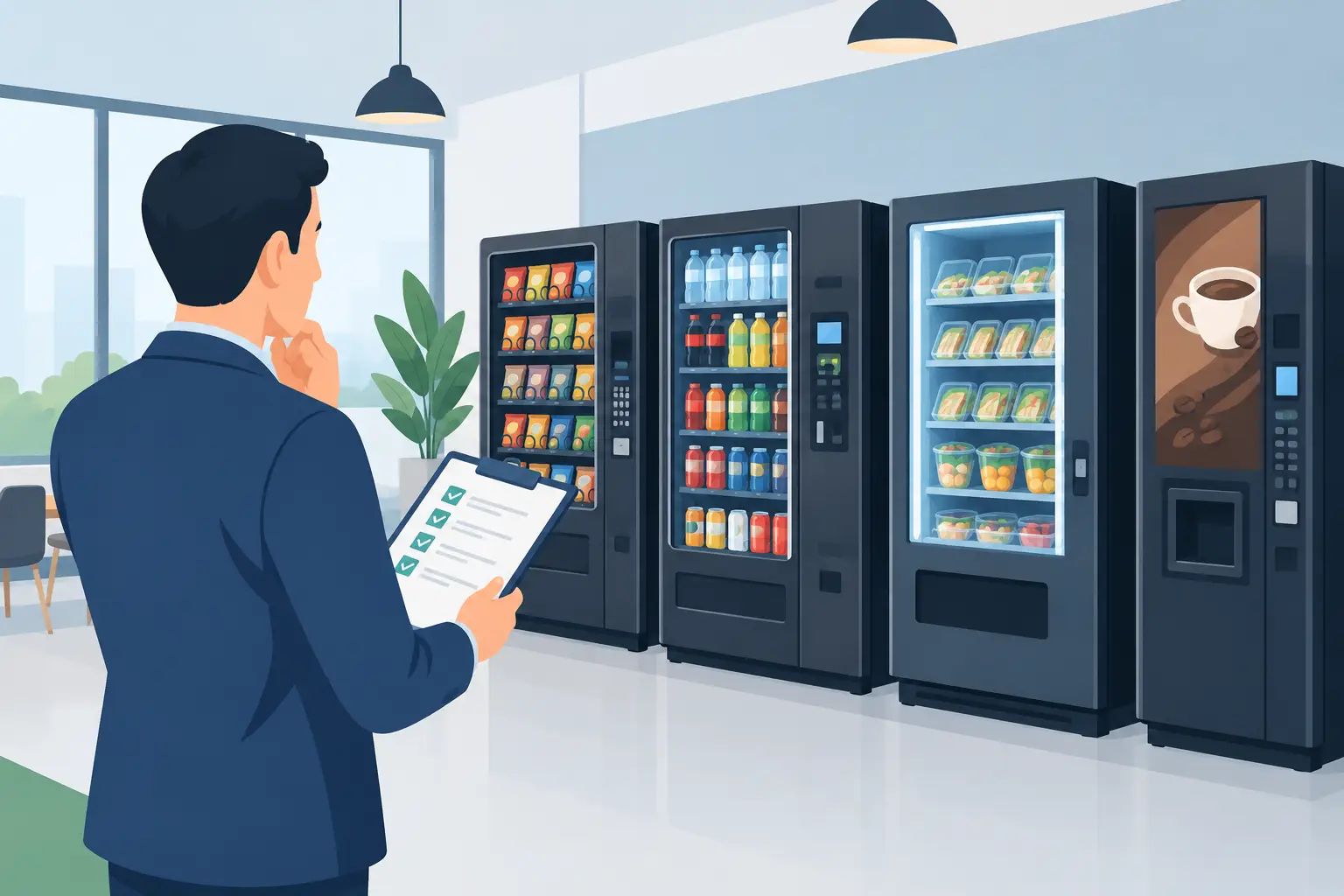
A vending machine can look like a simple purchase until it arrives at the wrong location with the wrong product mix, payment setup, or capacity. This commercial vending equipment buyer guide helps you choose equipment based on how you plan to earn from it: the customers using it, the space available, the products you will sell, and the amount you can invest before your first sale.
For a first machine, the goal is not to buy the biggest or most advanced model available. It is to buy a reliable commercial machine that matches a real placement opportunity. For an established operator, the question is usually different: whether a replacement, combo machine, specialty unit, or smart retail format will produce more sales with less route complexity.
Start With the Location, Not the Machine
A strong location determines what equipment makes sense. Before comparing prices, look at the number of people passing through, when they are there, what they are likely to buy, and whether nearby food or retail options already meet the need.
An office with 40 employees may need a compact snack-and-drink combo machine rather than two full-size machines. A busy manufacturing facility with multiple shifts can support dedicated beverage and snack equipment with higher capacity. An apartment building may benefit from a machine that focuses on cold drinks, snacks, and everyday convenience items. A laundromat has a different product opportunity, often including beverages, snacks, detergent, fabric softener, and other laundry essentials.
Measure the installation area before buying. Confirm door widths, elevator access, floor space, power availability, and whether the machine needs to sit against a wall or in a recessed area. Commercial vending equipment is heavy, and a machine that physically fits the location on paper can still create delivery and installation problems if access is limited.
Also ask who is responsible for electrical service, placement approval, and any location commission. These details affect your operating cost long after the machine is paid for.
Choose the Right Commercial Vending Equipment Type
The best format depends on product mix and sales volume. Each machine type has a place in a profitable route, but none is automatically right for every account.
Beverage Machines
Beverage machines are a practical fit for gyms, warehouses, break rooms, bowling centers, auto shops, and other locations where cold drinks move consistently. They are built for cans and bottles and usually offer more drink capacity than a combo machine.
Dedicated beverage equipment makes sense when drink demand is high enough to justify frequent restocking. The trade-off is that you may still need a separate snack machine if customers expect chips, candy, pastries, or healthier food choices. Beverage sales can be dependable, but margins depend heavily on wholesale pricing, refrigeration performance, and product selection.
Snack Machines
Snack machines work well in offices, schools where permitted, waiting areas, and facilities with predictable breaks. They provide flexibility across chips, candy, crackers, protein bars, pastries, and specialty items. Look closely at the number of selections, tray configuration, and whether the machine can accommodate products with different package widths.
A snack machine with a large selection count is useful only if the location has enough traffic to keep inventory moving. At a smaller account, too many selections can create stale product, excessive inventory investment, and more complicated service visits.
Snack-and-Drink Combo Machines
Combo machines are often the most practical starting point for new operators. One cabinet supplies snacks and beverages, which reduces the space requirement and can simplify placement in smaller offices, apartment common areas, salons, and low-to-medium traffic locations.
The compromise is capacity. A combo unit generally holds fewer drinks and snacks than separate full-size machines. It is a smart choice when a location needs variety but cannot support two machines. If the account grows, you can later add a dedicated beverage or snack machine based on actual sales data.
Specialty Machines and Smart Stores
Specialty vending equipment gives operators a way to match a machine to a specific setting. Laundromat machines can carry laundry supplies alongside refreshments. Tobacco retail equipment may be built for age-restricted product programs and retail use requirements. Machines designed for bowling centers, hotels, or recreation venues can support a focused convenience assortment.
AI-powered smart coolers and smart store formats create a different unattended retail experience. Rather than selecting an item through a traditional vending interface, shoppers may open a cooler or retail cabinet, take products, and complete a cashless transaction through the system. These options can support a broader product range and a more modern presentation, especially in higher-traffic offices, residential properties, hospitals, campuses, and retail environments.
They also require more planning. Consider connectivity, payment integration, shopper behavior, product security, and the location’s comfort with a newer retail format. Smart equipment can increase opportunity, but it should be matched to a site that has enough demand to justify the higher investment.
New vs. Used: Match Condition to Your Budget
Used commercial vending machines can lower the cost of starting a vending business. For an operator with a limited budget, a properly evaluated used machine can make it possible to secure a location, learn the route business, and build cash flow before purchasing newer equipment. Entry-level used equipment can be especially useful for conventional snacks and drinks where the machine’s condition, cooling performance, and payment compatibility have been checked.
New machines typically offer a cleaner presentation, current components, updated technology options, and fewer concerns about prior wear. They are often the better choice for premium locations, new business installations, and operators who want standardized equipment across a growing fleet.
Price alone should not decide the purchase. A lower-cost used machine that needs repairs, cannot accept modern payment hardware, or does not fit your location can become more expensive than a new unit. On the other hand, buying a high-end machine for an unproven small account may tie up capital that would be better used for inventory, card processing, delivery, and additional placements.
When reviewing any machine, ask about its condition, operating status, refrigeration system if applicable, included payment equipment, cosmetic appearance, dimensions, capacity, and commercial application. These are business questions, not just product specifications.
Payment Capability Is a Sales Decision
Cashless payment is no longer an optional feature for many placements. Card readers and mobile wallet acceptance can help capture sales from customers who do not carry cash. In offices, gyms, apartments, and public-facing locations, a cash-only machine can limit purchases before a customer even considers the product lineup.
That does not mean every machine needs the same payment setup on day one. A very small, cash-heavy location may have different economics than a high-traffic corporate break room. Still, it is wise to choose equipment that can support card-reader integration if your account needs it now or may need it later.
Consider the full cost, including hardware, processing fees, connectivity, and any management platform requirements. Those recurring costs should be weighed against higher transaction volume, larger average purchases, and the operational benefit of sales reporting. Payment data can also show which products sell, when a machine needs service, and whether a location is worth expanding.
Capacity, Product Flexibility, and Service Time
Capacity affects more than the number of items you can sell. It affects how often you drive to the location, how much capital is sitting in inventory, and how likely a popular item is to sell out between visits.
For high-volume locations, larger machines reduce restocking frequency and protect sales during busy periods. For smaller locations, a compact machine may produce a better return because it keeps inventory lean and uses less floor space. Product flexibility matters just as much. If you expect to test energy drinks, bottled water, protein snacks, better-for-you products, or location-specific items, make sure the machine’s configuration can accommodate them.
Avoid filling every selection simply because the machine has space. Start with products that fit the customer base, then use sales results to remove slow movers and expand winners. A vending route grows through disciplined merchandising, not a random assortment of products.
Compare the Total Purchase Cost
The machine price is only one part of your investment. Build a simple purchase budget that includes equipment, delivery, site preparation, payment hardware, initial inventory, sales tax where applicable, insurance, and working cash for service needs.
When comparing machines, use the same decision criteria for each option:
- Does it fit the location’s traffic, space, and customer demand?
- Can it sell the products you plan to stock?
- Does it accept the payment methods your customers expect?
- Is its capacity appropriate for your planned service schedule?
- Does its condition and price support your expected return?
A comparison tool is useful when you are weighing similar units with different capacities, features, or prices. VendingMachinesForSale.net offers conventional, used, specialty, and smart equipment in one catalog, making it easier to compare options without treating every location like it needs the same machine.
Buy for the Next 12 Months, Not Just This Week
Think about where the machine fits in your business plan over the next year. A first-time buyer may prioritize a versatile combo machine with cashless capability because it can serve several types of accounts. An established operator might prioritize matching an existing fleet to simplify parts, service, stocking, and payment reporting. A location with clear demand for fresh drinks, premium snacks, or unattended retail may justify a more specialized investment.
The right machine is the one that gives your location a reason to buy, gives you a realistic path to service it well, and leaves room for your vending business to grow from one dependable account to the next.