

Best Vending Machines for Gyms and Fitness Centers

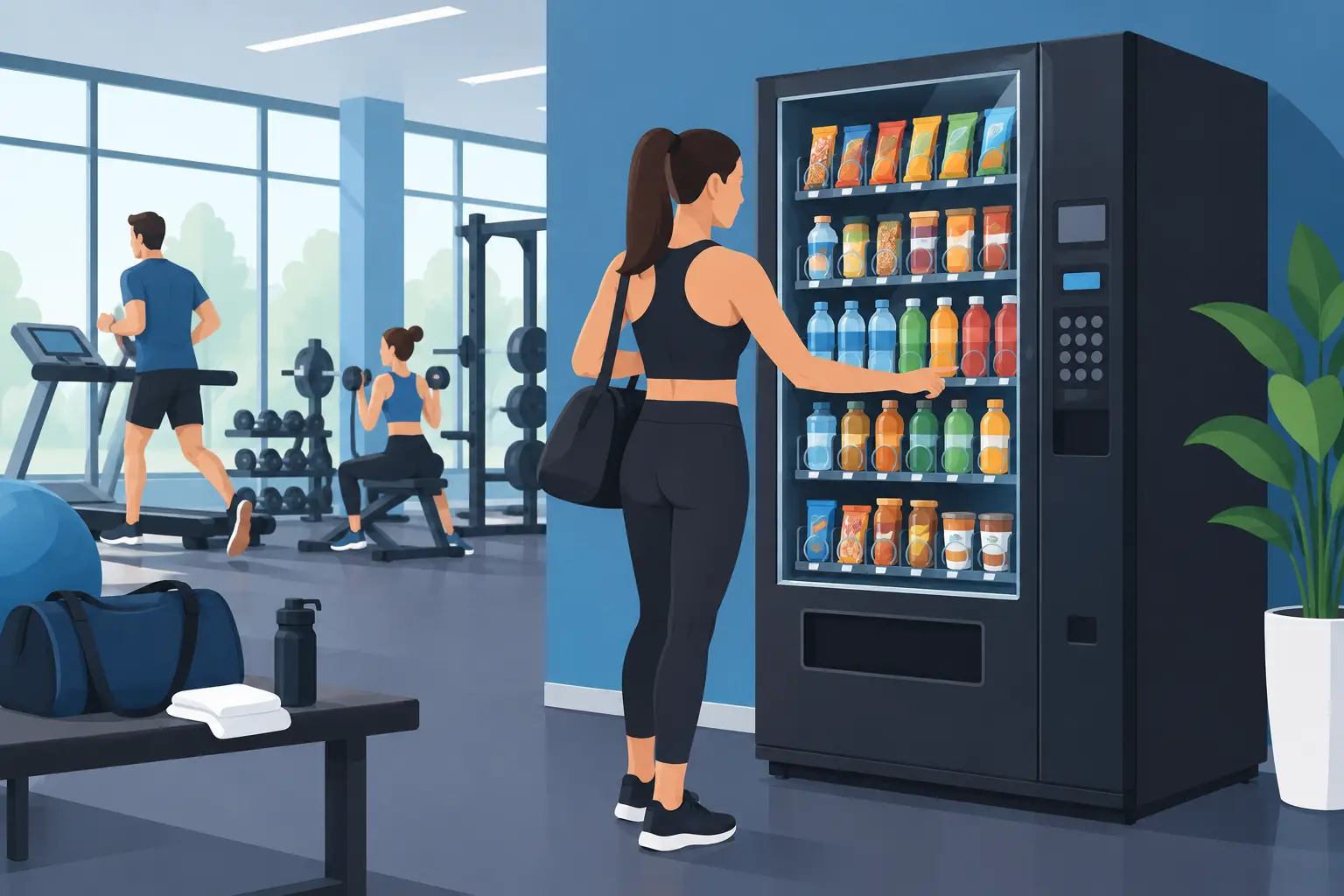
A gym member finishes a late workout, realizes they skipped dinner, and heads for the exit. A well-stocked machine near the front desk can turn that moment into a sale while giving the member a convenient reason to stay fueled. The best vending machines for gyms are not simply the largest units available. They match the facility’s traffic, product standards, available space, and payment expectations.
For an operator, a gym location can produce steady sales, but only when the equipment and product mix fit the customer. Water, electrolyte drinks, protein bars, and ready-to-drink shakes move differently than chips and soda at an office or laundromat. Start with the format that supports your inventory plan, then choose capacity and technology based on the location’s real demand.
What Makes a Gym Vending Machine a Good Investment?
Gyms create repeat traffic, often at predictable times. The morning rush, lunch-hour crowd, and after-work members may all visit the same machine, but their buying habits can differ. A smaller boutique studio may need a compact, clean-looking machine with a focused selection. A large 24-hour fitness center can support a higher-capacity beverage machine, a snack machine, or multiple units.
The strongest placements solve an immediate need. Cold water and sports drinks are dependable basics, especially if the gym does not sell them at its desk. Protein products, low-sugar snacks, meal-replacement bars, and pre-workout beverages can add higher-margin options. Still, a healthy product mix should not mean ignoring what customers actually purchase. Test a few familiar brands alongside fitness-focused inventory, track sales, and adjust your selections by column.
Machine uptime matters just as much as product choice. A machine that is difficult to restock, does not accept cards, or repeatedly runs out of popular drinks can lose sales fast. Commercial-grade equipment with reliable refrigeration, clear product visibility, and appropriate capacity gives an operator a more practical foundation for a gym route.
Best Vending Machines for Gyms by Machine Type
Snack-and-drink combo machines
A combo machine is often the best starting point for a small or mid-sized gym. It puts cold beverages and packaged snacks in one footprint, which is useful when the facility has limited wall space or wants only one machine near the entrance. For a first-time vending business owner, it also simplifies servicing because there is one location, one payment system, and one cabinet to manage.
The trade-off is capacity. A combo unit generally carries fewer drinks and fewer snack selections than separate full-size machines. If bottled water and energy drinks sell quickly, the beverage side can require more frequent visits. Combo units are best when sales volume is moderate and product variety matters more than maximum inventory.
Dedicated beverage machines
A beverage machine is a strong choice for larger fitness centers, 24-hour gyms, and locations where hydration products are the main opportunity. Cold bottled water, flavored water, sports drinks, canned energy drinks, and protein shakes are natural fits. Because drinks tend to be the fastest-moving category in many gyms, dedicated beverage capacity can reduce empty columns between service visits.
Look closely at the package sizes you plan to sell. Tall bottles, slim cans, and ready-to-drink protein containers may require properly configured selections. A machine should fit the products you intend to stock, not force you into a limited product lineup. Refrigeration performance is also a priority, particularly in warm lobby areas or facilities with heavy daily traffic.
Dedicated snack machines
A snack machine works well beside a beverage machine in a high-volume gym or as part of a more curated nutrition station. It provides room for protein bars, jerky, nuts, trail mix, oatmeal cups, crackers, candy, and other packaged items. The extra selection capacity lets operators test price points and brands without sacrificing top-selling products.
Not every snack machine accommodates every protein bar or oversized bag equally well. Before buying, consider packaging width, product length, and how easily an item will vend from its selection. Products that bridge or hang up create refunds, service calls, and unhappy members. Adjustable selections and dependable delivery systems are worth prioritizing when your inventory includes varied health-food packaging.
Smart coolers and AI-powered retail
Smart coolers are a premium option for modern gyms, upscale wellness clubs, apartment fitness centers, and locations that want an open-shelf shopping experience. Customers can view products directly, choose several items at once, and pay through the system rather than selecting one item from a traditional vending spiral.
This format can support a broader assortment of refrigerated drinks, fresh packaged products, recovery beverages, and grab-and-go snacks. It can also create a more polished look in facilities that care about their member experience. The trade-off is a higher initial investment and a greater need for disciplined inventory control. Smart retail is most effective when the location has enough traffic and customers who are comfortable using cashless payment.
Match the Machine to the Gym’s Traffic and Layout
The gym’s membership count is useful, but it does not tell the whole story. Ask how many members check in each day, whether the facility stays open overnight, whether staff sell similar products at the front desk, and where members naturally pause. A machine hidden in a locker-room hallway will usually underperform a machine positioned near check-in, water fountains, or the exit.
A small personal-training studio may be better served by one compact combo machine. Its members may value premium shakes, water, and bars, but traffic may not justify two large machines. A big-box gym with hundreds of daily check-ins can justify a dedicated beverage machine plus a snack machine, especially if it has multiple entrances or a large training floor.
Apartment fitness rooms need a different approach. They may have light but consistent resident use, so a smaller combo machine or smart cooler can be a better fit than a high-capacity bank of equipment. In any location, confirm electrical access, doorway clearance, delivery path, floor space, and who is responsible for moving equipment into place.
Build a Product Mix Members Will Buy
The right products should reflect the gym’s identity without becoming too narrow. A bodybuilding-focused gym may sell more protein shakes, energy drinks, and high-protein snacks. A family-oriented fitness center may move water, sports drinks, low-sugar snacks, and familiar treats. A yoga or wellness studio may prefer sparkling water, natural bars, and lighter snack options.
Price also needs to fit the location. Members often expect convenience pricing, but they will notice an extreme markup on a bottle of water. Use your cost, commission agreement, service frequency, and local competition to set a price that leaves room for profit while encouraging repeat purchases.
Pay attention to expiration dates. Protein products and specialty nutrition items can carry higher wholesale costs and may turn more slowly than standard snacks. Start with a modest number of each specialty item, then expand the selections that prove themselves. Sales data should decide the mix, not assumptions about what gym members should buy.
Card Payments Are Usually Non-Negotiable
Gym members often arrive without cash. They may have only a phone, smartwatch, or card while they work out. For that reason, a card-reader-enabled machine is usually a better commercial choice than a cash-only unit for a gym placement.
Cashless acceptance can increase convenience and reduce missed sales, while remote sales and inventory reporting can help an operator identify empty columns and service needs. The added equipment and processing costs are real, so include them in your pricing plan. But at a gym, refusing a card payment can cost more than the monthly technology expense.
If you buy a used machine, verify whether it can accept a current card reader or can be upgraded. A low acquisition price is attractive, but an older unit that cannot support the payment setup your location needs may become a costly limitation.
New vs. Used Equipment for a Gym Route
New vending machines offer current components, clean presentation, modern payment compatibility, and a straightforward way to standardize equipment as you expand your fleet. They make sense for a flagship gym placement, a newer facility, or an operator who wants fewer unknowns at startup.
Used equipment can be a smart entry point when budget is the priority. A dependable used combo machine can help validate a location before committing to a larger setup. Inspect condition carefully, ask about refrigeration and payment compatibility, and account for any upgrades you may need. The lowest-priced machine is not always the best value if it requires frequent repairs or cannot meet the gym’s product and payment requirements.
For operators comparing equipment, VendingMachinesForSale.net offers conventional, used, and technology-forward machine options that can fit different gym sizes and budgets. The better purchase is the one that fits the location’s expected sales, not simply the one with the most features.
Buy for Service Efficiency, Not Just the Sale
A profitable gym account should be easy to service. Choose enough capacity to avoid constant restocking, but do not buy more machine than the location can support. Consider how often you can visit, whether you have cold storage in your vehicle or warehouse, and how quickly beverage inventory turns.
Before placing an order, confirm the machine’s dimensions, power requirements, capacity, payment options, and product compatibility. Also discuss placement terms with the gym owner or manager, including commission, electricity, access hours, and whether the facility will allow competing retail products at its front desk.
The right machine gives members a convenient purchase at the exact point they need it. Start with the facility’s real traffic and buying habits, stock the products that earn their space, and choose equipment you can keep full, cold, and ready to accept payment.