

AI Vending Machines for Sale for Your Business

A break room with 200 employees, an apartment lobby with evening traffic, or a gym with members grabbing drinks after class can all support unattended retail. The right machine is not simply one that looks advanced. When comparing AI vending machines for sale, the real question is whether the format, payment flow, product capacity, and operating cost fit the location you have secured.
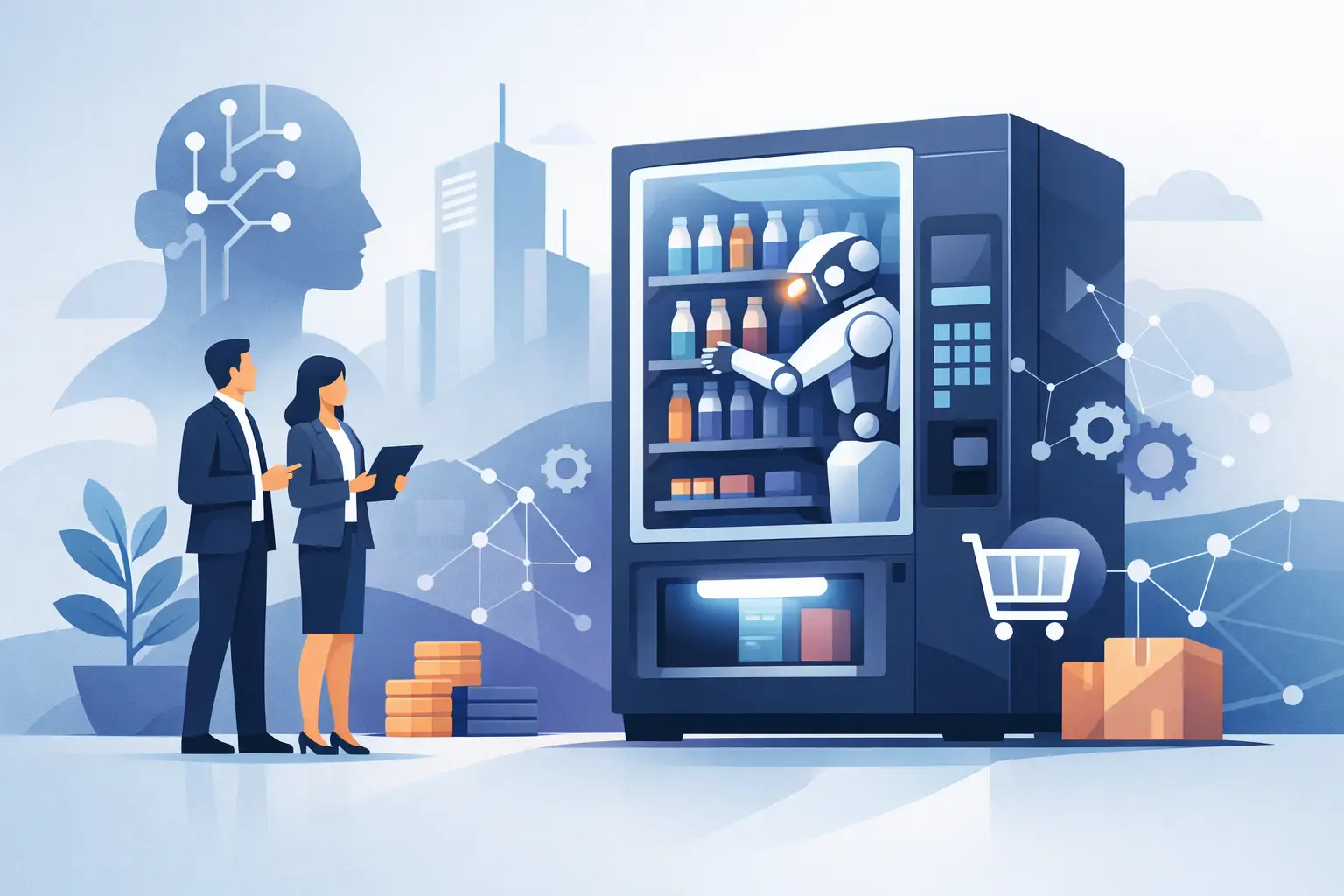
AI-powered vending gives operators another way to sell without staffing a counter. Instead of selecting one product through traditional buttons, customers may tap a card, open a smart cooler door, take what they want, and be charged automatically based on computer vision, weight sensors, or other item-recognition technology. That experience can increase basket size, but it also changes what you need to consider before buying.
What Makes an AI Vending Machine Different?
A conventional snack or beverage machine dispenses one selected item at a time. It is a proven model for selling packaged snacks, canned drinks, bottles, and other standardized products. An AI vending machine, often sold as a smart cooler or smart store format, is designed around open-access shopping and automated checkout.
The customer typically starts a transaction with a card, mobile wallet, or app. Once access is approved, they can open the cooler or cabinet, browse products, and remove multiple items. The machine records what was taken and completes payment when the door closes.
For operators, the advantage is merchandising flexibility. You can stock items that do not work well in spirals or standard vending columns, including fresh food, protein products, larger beverage bottles, dairy items, meal kits, and locally sourced products. A smart cooler can feel more like a compact self-service store than a traditional vending machine.
That does not mean AI is automatically the best fit for every account. Traditional vending often costs less to acquire, has familiar service requirements, and can be highly effective in locations with predictable demand for snacks and drinks. AI equipment earns its place when the location can support a stronger product mix, cashless payment use, and enough sales volume to justify the higher equipment investment.
Choosing AI Vending Machines for Sale by Location
The location should lead the purchase decision. Before choosing a model, estimate daily traffic, the hours people can buy, available floor space, electrical access, security, and the kinds of products customers actually want.
Offices, Warehouses, and Manufacturing Sites
Employee locations can be strong candidates for AI vending when workers want more than chips and soda. A smart cooler can carry cold drinks, sandwiches, salads, yogurt, energy products, and grab-and-go meals. This is especially useful on sites with limited cafeteria hours or multiple shifts.
Ask the location contact about headcount by shift, existing food service, and whether outside food is allowed. A small office with low daily traffic may be better served by a compact beverage machine or snack-and-drink combo. A warehouse with a night shift and no nearby food options may justify a larger AI-powered setup.
Apartments, Hotels, and Residential Communities
Residents value convenience, especially after nearby stores close. Smart coolers and smart stores can work well in lobbies, clubhouses, and common areas where customers may buy drinks, snacks, quick meals, or household essentials.
Security matters in these placements. Put the unit in a visible, well-lit area with dependable connectivity. Confirm who is responsible for access, cleaning around the equipment, and reporting issues. In a luxury apartment building, product presentation and a broader premium assortment may matter as much as capacity.
Gyms, Campuses, and Recreation Centers
These locations often support high-margin functional products: water, energy drinks, protein shakes, bars, recovery snacks, and fresh items. An AI machine lets customers pick up several items in one visit, which can be valuable where customers arrive with a specific routine or purchase habit.
The trade-off is that demand may be concentrated around class schedules, events, or school terms. Review traffic patterns before committing to a larger machine. If sales are limited to a few peak hours, a smaller cashless beverage machine may produce a more efficient return.
Retail, Travel, and Public-Facing Sites
High-traffic sites can produce strong sales, but they also demand reliable equipment, frequent restocking, and close attention to product loss. Airports, transit-adjacent locations, hospitals, bowling centers, laundromats, and retail waiting areas each have different customer behavior.
A laundromat may need family snacks, detergent, drinks, and small convenience products. A bowling center may support beverages, candy, and event-friendly food. A hospital may require better-for-you options and 24-hour access. Match the machine and assortment to the reason people are already at the site.
Payment, Connectivity, and Product Recognition
Cashless payment capability is not an add-on to overlook. Most AI-powered formats are built around card and mobile wallet transactions because payment authorization starts the customer’s access to the machine. Confirm what payment hardware is included, what processing fees apply, and whether your chosen system supports the payment methods customers use most.
Connectivity is equally important. AI vending equipment needs a dependable connection for transaction processing, remote monitoring, software updates, and inventory data. Weak cellular service or unreliable Wi-Fi can create failed transactions and customer frustration. Test the placement area before delivery, not after the machine is installed.
Product recognition systems also require disciplined stocking. Packaging changes, new product sizes, and substitutions may need to be added correctly to the machine’s product database. This is manageable, but it is a different routine from loading a standard vending column. Operators who keep accurate item records and follow the system’s stocking process will get cleaner sales data and fewer disputes.
Capacity Is More Than a Spec Sheet Number
A larger AI cooler can hold more products, but capacity only produces value if you can keep the assortment fresh and the machine properly stocked. Fresh food creates opportunity and adds operational responsibility. You need a realistic delivery schedule, expiration-date checks, temperature monitoring, and a plan for slow-moving items.
Start with a focused product mix. In many locations, top-selling beverages and recognizable snack brands should form the base. Add fresh food, premium products, or specialty items based on demand rather than filling every shelf with untested inventory. Sales data from the first few weeks should guide adjustments.
Consider the route as well. A smart store that needs restocking three times a week can be profitable near your existing stops, but less attractive if it requires a long drive for a small number of sales. The best equipment decision considers the machine, the location, and the labor required to operate both.
New vs. Used Equipment for a Smart Vending Route
New AI vending machines usually offer current technology, cleaner presentation, manufacturer support, and the best fit for a high-visibility placement. They are often the right choice when you are pitching a corporate account, building a premium unattended retail program, or standardizing equipment across a growing fleet.
Used equipment can lower the upfront cost, but availability and condition vary. With AI-powered machines, buyers should be especially clear about the payment system, software access, connectivity hardware, cooling performance, door operation, and whether the equipment can be activated under their business account. A lower purchase price is not a bargain if the unit cannot be supported or updated.
For a first-time operator, a practical approach may be to combine formats. A conventional snack-and-drink machine can establish a lower-cost route in straightforward locations, while one AI smart cooler is placed in the account with the strongest demand for fresh food and multi-item purchases. This gives you real sales data before expanding the higher-tech side of the business.
Questions to Answer Before You Buy
Before ordering, know the machine’s dimensions, power requirements, shipping path, and final installation location. Measure doorways, elevators, hallways, and the area where the machine will sit. Commercial equipment is an asset, but it is also a large piece of equipment that needs a clear delivery plan.
You should also confirm who will service the machine, how inventory is tracked, how refunds or transaction disputes are handled, and what support is available for payment or software issues. VendingMachinesForSale.net offers AI-powered vending equipment alongside conventional, specialty, new, and used options, which can make it easier to compare formats based on your budget and placement opportunity.
The smartest purchase is the one that fits a real account, not just a trend. Start with the customer traffic you can verify, stock products people will buy repeatedly, and choose AI equipment when its flexibility gives your location a clear advantage.