

Laundromat Vending Machines That Earn Their Space

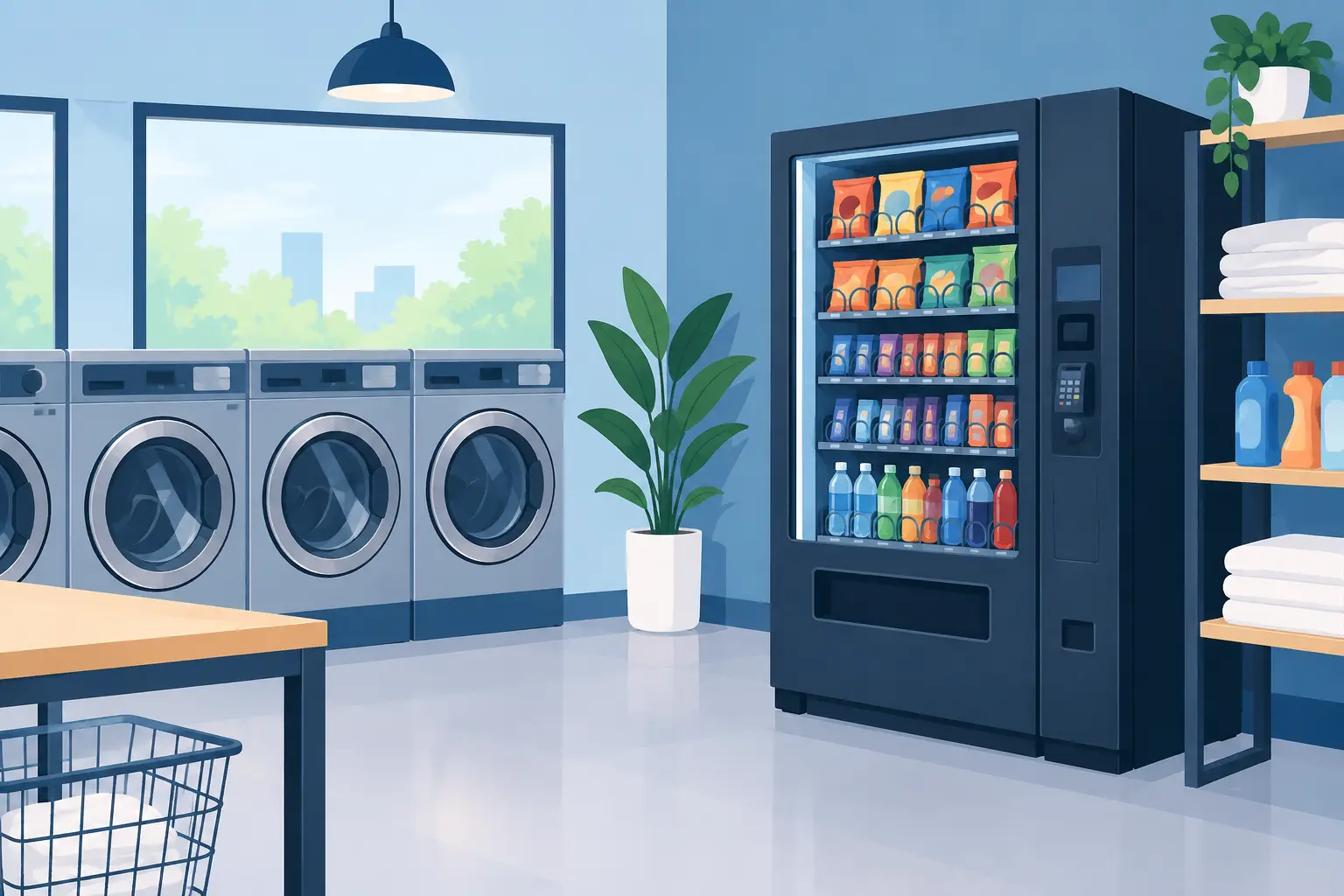
A customer who is waiting 35 minutes for wash and dry cycles is already a vending customer in the making. They may need detergent, want a cold drink, have children asking for a snack, or simply prefer not to leave the building and lose their machines. The right laundromat vending machines turn that wait time into a practical, repeatable revenue opportunity while improving the customer experience.
For operators, the appeal is straightforward: laundromats have built-in foot traffic, long dwell times, and recurring customers. But a vending machine is not automatically profitable because it is placed near washers. Product selection, machine format, payment options, pricing, and service access determine whether it becomes a productive asset or an underused corner fixture.
Why Laundromats Are Strong Vending Locations
Unlike many locations where people pass through in minutes, laundromat customers often stay on-site for 30 minutes to more than an hour. That creates multiple opportunities to buy. Morning customers may want coffee or energy drinks. Families may buy snacks and juice. Late-night customers may appreciate bottled water, soda, chips, and laundry supplies when nearby stores are closed.
The customer base is also more consistent than at a seasonal venue. A well-run laundromat can generate regular traffic every day of the week, which helps operators forecast demand and build a dependable service schedule. The machine does not need to sell premium specialty products to perform. It needs to offer useful items at prices that make sense for the neighborhood and the wait.
There is another business benefit for laundromat owners. Vending gives customers a reason to remain comfortable on-site rather than leaving for food or supplies. That can support a cleaner, more convenient location and create an additional income stream without adding staffed retail hours.
Choosing the Right Laundromat Vending Machines
There is no single best machine for every laundry location. The right setup depends on available floor space, customer volume, existing amenities, and whether the goal is convenience, higher average sales, or both.
Snack-and-drink combo machines
For many small and mid-size laundromats, a snack-and-drink combo machine is the most practical starting point. It offers variety in one footprint, which matters when the facility has limited wall space or a narrow customer seating area. A combo unit can carry bottled drinks, canned beverages, chips, candy, cookies, crackers, and other grab-and-go products.
The trade-off is capacity. A dedicated beverage machine generally holds more drinks and can handle higher-volume locations better. If cold beverages are the main seller, a combo machine can run short on space quickly. Still, for a first machine or a location with moderate traffic, a reliable combo unit keeps startup costs and servicing simpler.
Dedicated beverage machines
A beverage machine is often the strongest choice for a busy laundromat, especially in warm markets or facilities open late. Cold water, soda, sports drinks, iced tea, and energy drinks tend to move consistently because customers are spending time in a warm building handling laundry.
Dedicated drink machines make sense when the location already sells snacks at a counter, has a separate snack machine, or has enough traffic to justify a larger product capacity. Look closely at bottle and can capacity, refrigeration performance, and whether the machine supports the package sizes you plan to sell.
Laundry supply vending machines
Laundry products solve an immediate need, which makes them especially valuable in this setting. Single-use detergent packs, dryer sheets, stain remover, fabric softener, and small bags of laundry soap can produce steady sales when customers arrive unprepared or run out mid-load.
This category works best when products are clearly visible and priced reasonably. Customers who feel forced into inflated pricing may buy once but avoid the machine later. A supply machine should be treated as a convenience service first and a revenue source second. That approach helps build repeat business.
Specialty options for larger locations
A high-traffic laundromat may support more than one machine. One common arrangement is a beverage machine paired with a snack machine and a separate laundry supply unit. Some owners also add coffee service, ice cream, fresh-food vending, or an AI-powered smart cooler where customer volume and local demand justify the investment.
More equipment can create more sales, but it also adds inventory, electrical needs, and service time. Start with the categories customers are most likely to buy, then expand using actual sales data rather than assumptions.
Cashless Payments Are Usually Worth It
Cash remains relevant in many laundromats, but card and mobile payment capability should be a serious consideration. Customers increasingly expect to pay with a debit card, credit card, or phone. A vending machine that accepts only bills and coins can lose sales when someone has no cash after using a card-operated washer.
Cashless readers also provide useful transaction reporting. Operators can see which products sell, identify slow selections, monitor sales by day, and plan replenishment more efficiently. That is particularly useful if you are building a vending route across several locations.
There are costs to consider. Cashless systems involve hardware, connectivity, and processing fees. In a very low-volume location, those expenses may not be justified immediately. In most active laundromats, however, accepting more payment types can increase conversion enough to make the decision practical.
Build a Product Mix Around Real Customer Needs
A laundromat product mix should be useful, familiar, and easy to consume during a wait. Stocking every possible item is not the goal. Giving customers good reasons to make a quick purchase is.
Beverages are often the foundation. Water should have a permanent slot, while soda, sports drinks, tea, and energy drinks can be adjusted based on sales. For snacks, focus on recognizable brands and a mix of salty, sweet, and slightly better-for-you choices. Chips, cookies, candy, nuts, granola bars, crackers, and fruit snacks are dependable starting categories.
Laundry supplies should be selected based on the machines and habits at the location. If the laundromat uses large-capacity washers, standard single-load packets may not meet the need. Consider offering multiple detergent sizes or clearly marked products for larger loads. Avoid overloading the machine with too many similar items before you know what customers will buy.
Pricing should cover product cost, commissions or rent if applicable, card fees, spoilage, and your labor. At the same time, compare local convenience-store pricing. A laundromat customer expects to pay for convenience, but pricing that feels excessive can reduce repeat purchases and create complaints for the location owner.
Plan for Placement, Power, and Service
Machine placement affects sales and maintenance. Put equipment where customers can see it easily from seating areas, but do not block washer access, folding tables, exits, or ADA pathways. A bright, clean spot near the entrance or central waiting area usually performs better than a machine tucked behind equipment.
Before purchasing, confirm the available electrical service, outlet location, door clearance, and delivery path. Commercial vending machines are heavy. Measure the route from the building entrance to the final placement area, including turns, thresholds, and steps. A machine that fits the floor plan on paper can still be difficult to deliver if access is limited.
Service is equally important. Drinks require refrigeration, snacks need rotation, and bill validators or card readers need occasional attention. Plan a refill schedule based on sales volume. Visiting too often wastes time; waiting too long creates empty columns and missed sales. Start with frequent checks during the first month, then adjust after you understand the location’s rhythm.
New, Used, or Smart Equipment?
New vending equipment can offer current payment compatibility, updated components, warranties, and a clean appearance that fits a modernized laundromat. It is usually the easier choice for buyers who want fewer unknowns and are planning a long-term placement.
Used machines can lower the cost of starting a vending business or expanding a route. The key is evaluating condition honestly. Check the refrigeration system, selection motors, coin mechanism, bill validator, cabinet condition, keys, and payment-reader compatibility. A low purchase price is not a bargain if repairs, missed sales, and energy use quickly erase the savings.
Smart coolers and AI-enabled vending formats can work in select laundromats, especially newer facilities with strong traffic and customers accustomed to tap-to-pay shopping. They can offer a more open retail-style experience, but they are not necessary for every location. A dependable conventional machine with the right products will often outperform an advanced format that does not match the market.
VendingMachinesForSale.net offers machine categories ranging from used commercial equipment to card-reader-ready machines and specialty formats, giving operators room to match their budget with the opportunity at hand.
Make the First Machine Easy to Manage
For a first placement, avoid building a complicated mini-store. A card-reader-enabled snack-and-drink combo machine, or a beverage machine paired with a small laundry supply unit, is often enough to test demand. Keep the initial product lineup focused, track sales weekly, and replace weak selections with items customers request or buy consistently.
The best laundromat vending setup is not the one with the most features. It is the one that stays stocked, accepts the payments customers use, fits the space, and earns enough per visit to justify the service time. Start with the customer waiting for a dryer cycle, and give them something useful to buy before the cycle ends.