Vending Machine Business

Vending Machine Business: How to Start One and Actually Make Money in 2026
A vending machine business is one of the few retail models left where you can start small, run it part-time, and scale on your own schedule. No storefront lease, no staff to manage day one, and inventory you control completely. But “low barrier to entry” doesn’t mean “no strategy required” — the operators who succeed treat it like a real business from day one.
Here’s what actually goes into building a profitable vending machine business.
Why Start a Vending Machine Business
The appeal is straightforward:
- Low overhead compared to almost any other retail model
- Passive-leaning income once routes and restocking schedules are dialed in
- Scalable — one machine can become twenty without a linear increase in your time
- Flexible locations — offices, gyms, schools, apartment complexes, laundromats, auto shops
According to the U.S. Bureau of Labor Statistics, small, low-overhead business models tend to have better survival rates in their first few years than capital-intensive ones — vending fits squarely into that category.
Step 1: Choose Your Vending Niche
Not all vending machine businesses look the same. Decide early whether you’re running:
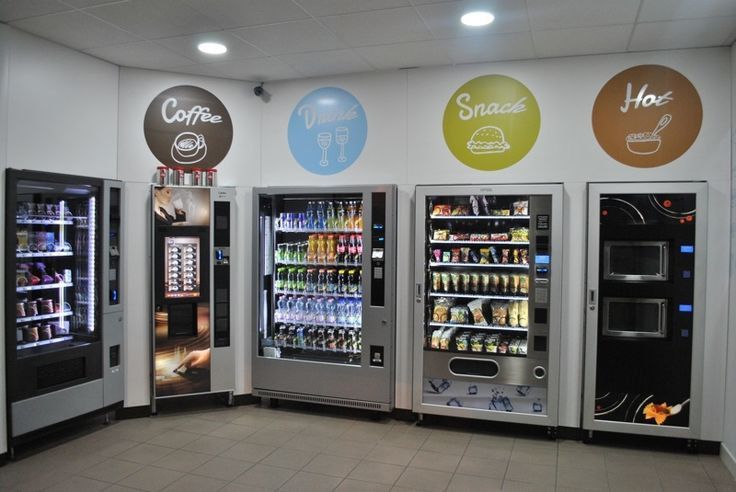
- Snack and beverage machines — highest volume, most competitive
- Healthy vending — growing demand, less saturated in many markets
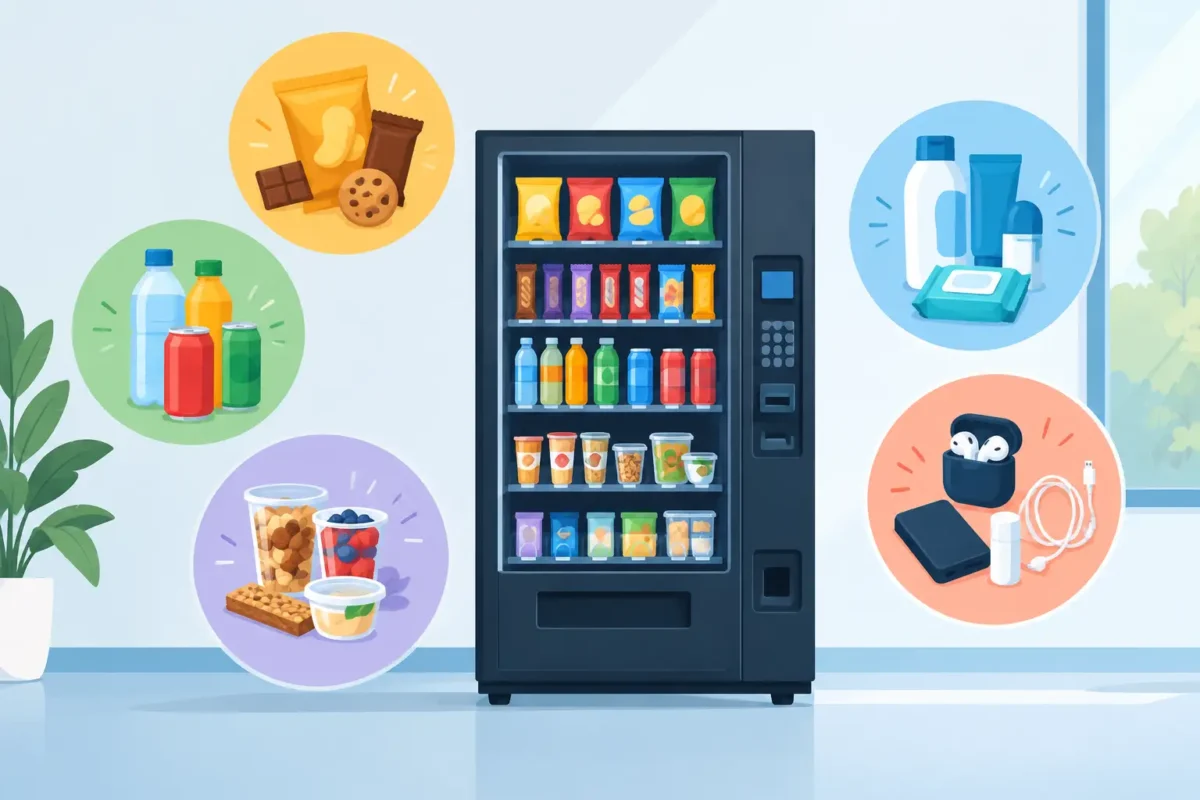
- Specialty vending — electronics, PPE, frozen food, or niche products
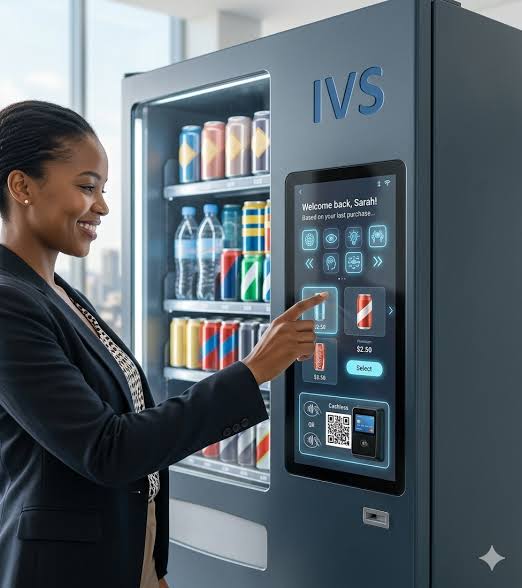
- AI-powered smart machines — higher upfront cost, lower long-term labor and shrinkage
Your niche determines your machine cost, your ideal locations, and your margins, so pick it before you buy anything.
Step 2: Secure High-Traffic Locations
Location is the single biggest factor in whether a vending machine business makes money or sits idle. Before signing any placement agreement:
- Count actual foot traffic at different times of day
- Check if competing machines are already on-site
- Negotiate placement terms (commission vs. flat rent) in writing
- Avoid locations with unreliable power access or poor visibility
The Small Business Administration recommends validating demand with real foot-traffic and competitor data before committing capital — advice that applies directly to vending placement decisions.
Step 3: Buy the Right Machines
This is where most new operators either set themselves up to scale or box themselves in. Consider:
- Reliability and parts availability — a machine that’s down for two weeks is a dead location
- Payment flexibility — cash, card, and mobile pay are now the baseline expectation
- Remote monitoring — knowing what’s low before a route visit saves real time
- Total cost of ownership, not just sticker price
We carry a full range of machines built for operators at every stage — from single-machine starters to multi-unit fleets. Browse our vending machines for sale to find equipment that matches your niche and budget.
Step 4: Plan Your Restocking and Route Logistics
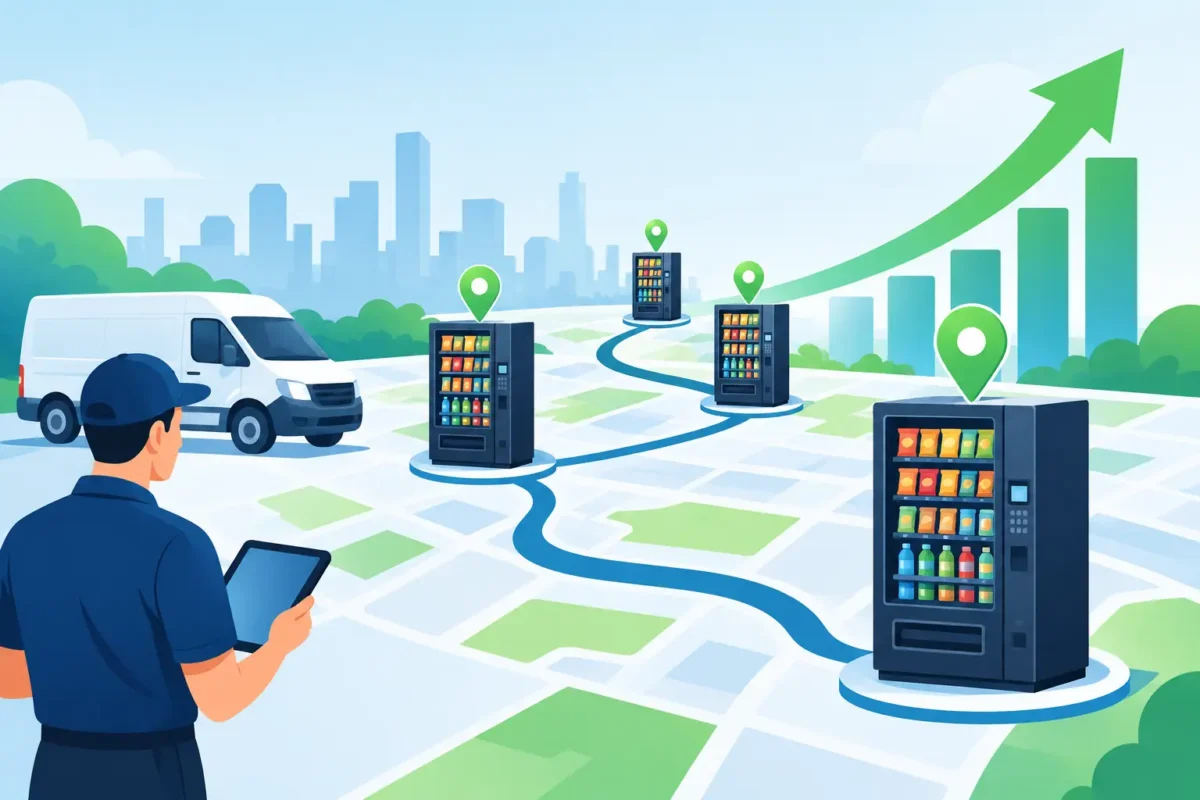
A vending machine business runs on logistics as much as it runs on product. Map your restocking route by geography, not by convenience, so you’re not burning gas and time crisscrossing town. As you add machines, group them into tight routes and track:
- Which products sell fastest at each location
- Restock frequency needed per machine
- Spoilage or expiration risk for perishable items
Step 5: Track Your Numbers Like a Real Business
Too many new operators run vending machines on gut feel. Track:
- Revenue and cost per machine, not just totals
- Commission or rent paid per location
- Product cost vs. sale price per item
- Machine downtime and maintenance costs
Machines with built-in data reporting make this dramatically easier than manual counting, which is one reason smart vending has grown in popularity among operators managing multiple locations.
Common Mistakes That Sink New Vending Businesses
- Buying machines before securing locations
- Underestimating restocking time across a spread-out route
- Ignoring placement agreement terms until there’s a dispute
- Stocking based on personal preference instead of location data
- Skipping preventive maintenance until a machine breaks down completely
Getting Started
A vending machine business rewards operators who treat locations, logistics, and inventory as a system rather than a side hustle they check when convenient. Start with one or two well-placed machines, get the numbers right, and reinvest before expanding.
Ready to get your first machine placed? Explore our full inventory and find the right fit to start — or scale — your route.