How Much Does a Vending Machine Cost?

How Much Does a Vending Machine Cost? A Real Breakdown for 2026
If you’re planning to buy your first machine or add to an existing route, the first question is always the same: how much does a vending machine cost? The honest answer is “it depends” — but not in a vague way. Price is driven by a handful of specific factors, and once you know them, you can budget accurately instead of guessing.
Average Vending Machine Cost by Type
Here’s what buyers typically pay, new:
- Basic snack machines — $2,000 to $4,000
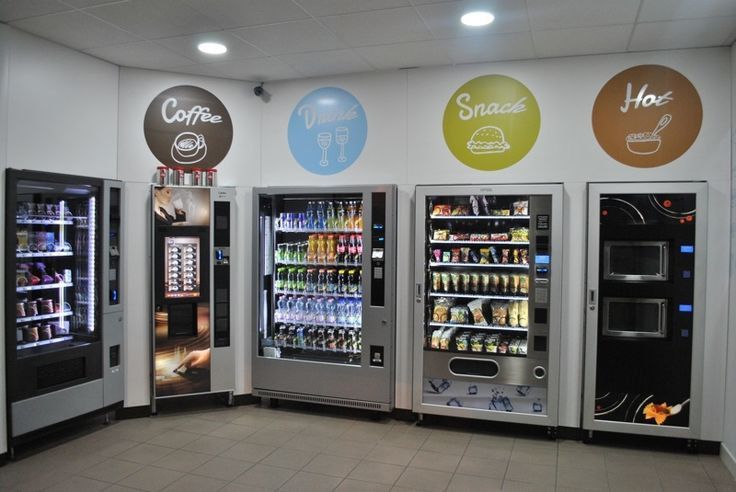
- Combo snack and drink machines — $3,000 to $6,000
- Beverage-only machines — $2,500 to $5,000
- Refrigerated/frozen food machines — $4,000 to $8,000
- Specialty vending (electronics, PPE, cosmetics) — $5,000 to $10,000+
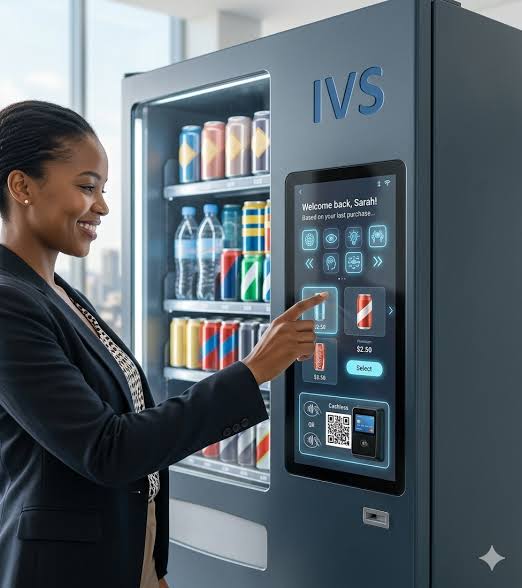
- AI-powered smart machines — $6,000 to $15,000+
Used machines run 30–60% less than new, but come with higher risk of hidden wear, outdated payment tech, or limited warranty coverage.
What Actually Drives the Price Up or Down
1. Machine size and capacity. More slots and larger capacity mean more steel, more components, and a higher price tag — but also fewer restocking trips.
2. Refrigeration. Any machine that keeps products cold or frozen costs significantly more than an ambient-temperature unit, both upfront and in ongoing electricity use.
3. Payment technology. Cashless readers, mobile pay, and touchscreen interfaces add cost but are close to non-negotiable for modern locations — cash-only machines see measurably lower sales in most settings today.
4. Smart features. Machines with computer vision, remote inventory monitoring, and fraud detection cost more upfront but reduce labor and shrinkage over time.
5. New vs. refurbished. Refurbished machines can be a smart way to start cheap, provided they come with a real warranty and verified working condition.
Beyond the Machine: Other Costs to Budget For
The vending machine cost itself is only part of the investment. Also plan for:
- Delivery and installation — often $150–$500 depending on distance and machine size
- Initial inventory stock — typically $150–$300 per machine to fully load it
- Location commission or rent — usually 5–25% of sales, or a flat monthly fee
- Maintenance and repairs — budget roughly 5–10% of machine cost per year
- Insurance — general liability coverage for the machine and its location
According to the U.S. Small Business Administration, underestimating total startup costs — not just the core equipment price — is one of the most common reasons new small businesses run into early cash flow problems. Vending is no exception; the machine is rarely the only line item.
Financing Options
Most vending machine suppliers offer financing or leasing terms, which can make sense if it lets you place multiple machines sooner rather than saving up for one at a time. Compare:
- Equipment financing — spreads the machine cost over 24–60 months
- Leasing — lower upfront cost, but you don’t own the machine outright
- Small business loans — the SBA’s lending programs are worth reviewing if you’re financing multiple machines at once
Run the math on your expected revenue per machine before choosing financing terms — a machine that takes three years to pay off on a low-traffic location is a very different bet than one that pays off in six months.
Is a Cheaper or More Expensive Machine the Better Buy?
Not always the cheapest option, and not always the priciest one either. A $2,500 basic snack machine in a high-traffic office can outperform a $10,000 smart machine in a slow location. Match the machine cost to the location’s actual foot traffic and product demand, not the other way around.
Where to Buy
We carry new and refurbished machines across every category and price point, from entry-level snack machines to fully AI-enabled smart units. Browse our vending machines for sale to compare pricing and specs side by side before you buy.
Bottom Line
The real answer to “how much does a vending machine cost” is: enough that you should plan the purchase around your location and revenue expectations, not just the sticker price. Budget for the machine, the install, the first stock load, and ongoing costs — then buy the machine that fits that full picture.
Ready to compare options? See current inventory and pricing to find the right machine for your budget.