

Used Vending Machine Inspection Checklist

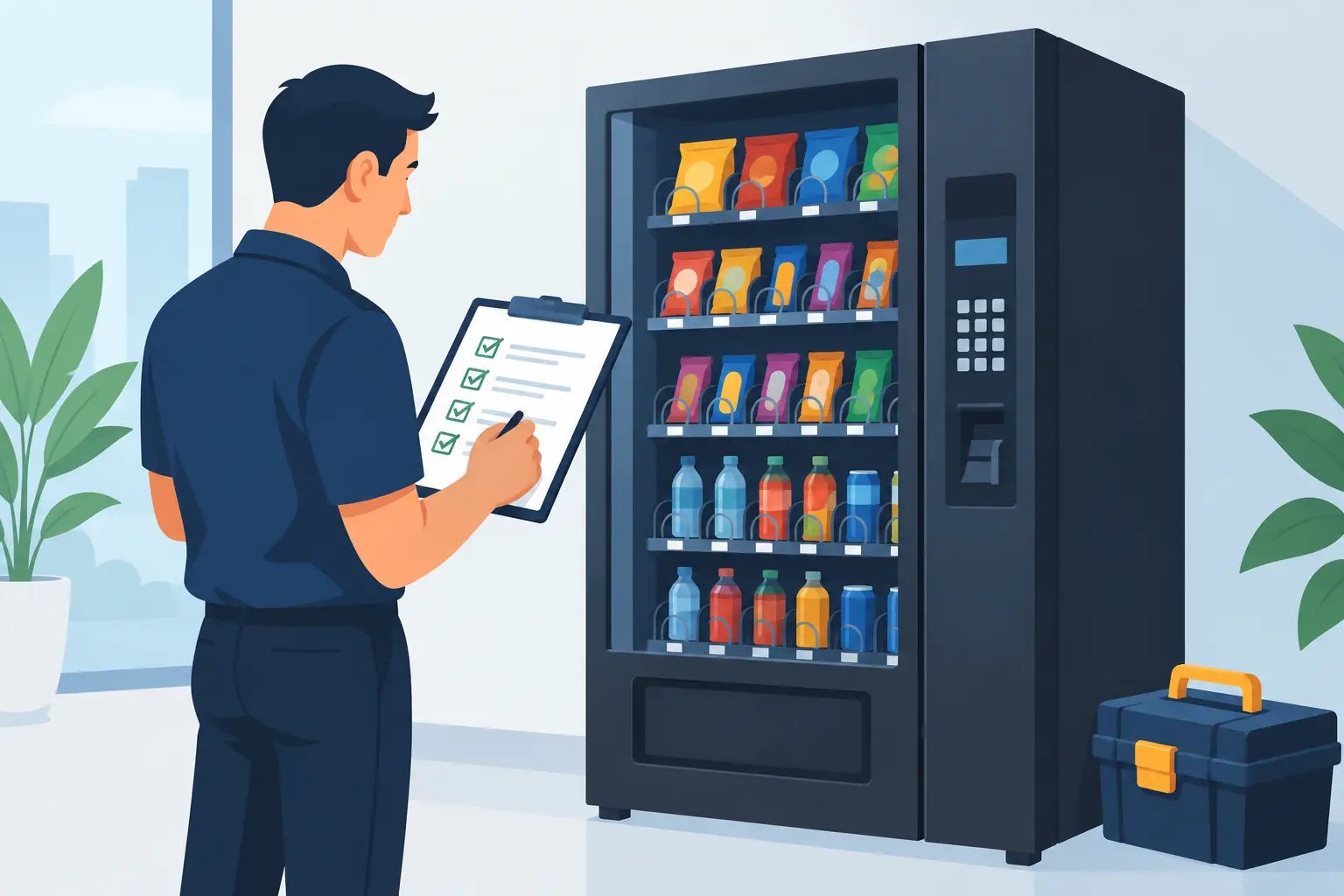
A low purchase price can turn expensive fast when a used machine needs a compressor, control board, coin mechanism, and card reader upgrade before it earns its first dollar. A used vending machine inspection checklist gives you a way to separate a practical route-ready asset from a machine that will drain your startup budget.
Used equipment can be a smart move for starting a vending business or expanding an established fleet. You may get commercial-grade capacity at a lower acquisition cost, especially when the machine matches your location and product mix. The trade-off is that condition varies. Inspect the machine in person when possible, ask for current photos and video when it is not, and price any needed work before you commit.
Start With the Right Machine for the Location
Inspection is not only about whether the machine powers on. A clean, working snack machine can still be the wrong purchase if your intended location needs cold drinks, cashless payments, or a smaller footprint. Start by confirming the machine type, dimensions, electrical requirements, and product capacity fit the account you are trying to win.
A beverage machine may be a strong fit for a warehouse, gym, apartment building, or busy lobby where cold bottled drinks move quickly. A snack-and-drink combo machine can make more sense for a small office, laundromat, or break room that has room for only one unit. Specialty equipment should be inspected with its use case in mind. A tobacco machine, for example, has different compliance and access-control needs than a standard snack machine.
Ask for the model number and manufacturer before evaluating the deal. This helps you verify compatible parts, available service information, tray configurations, and whether the machine can accept the payment equipment you need. Older models can be dependable, but some have limited parts availability or require more work to support modern card readers.
Used Vending Machine Inspection Checklist: Exterior and Cabinet
The cabinet tells you a lot about how a machine was transported, maintained, and operated. Cosmetic wear is normal on used commercial equipment. Structural damage is not. Look over the unit with the doors open and closed, not just from the front.
Check these areas carefully:
- Inspect the cabinet sides, back, base, and door for deep dents, rust, water damage, bent metal, or signs the machine was dropped.
- Confirm the door closes squarely and seals securely. A warped door or damaged gasket can create cooling problems and higher energy use.
- Test the lock and confirm that the seller provides the correct key. Replacing locks is possible, but you should know what you are receiving.
- Examine the glass, display panel, selection buttons, product labels, and delivery bin for cracks or broken components.
- Check the leveling legs and base. A machine that sits unevenly can have vend issues, door alignment problems, and a less professional appearance at the location.
Pay extra attention to rust around the bottom, rear vents, and refrigeration area. Surface rust may be manageable. Heavy corrosion can signal that the machine sat in a damp warehouse, garage, or outdoor area where electrical and refrigeration components may also have been affected.
Power Up Every System Before You Buy
Never rely on a seller saying that a machine works. Ask to see it powered on and operate it through a full test. If the machine cannot be powered up before purchase, treat it as untested equipment and build repair risk into your offer.
Watch the display during startup. Error codes, dim screens, flickering lights, or repeated resets may point to electrical, board, or wiring issues. Test every selection button or touchscreen function. On a snack machine, make sure each selection registers correctly. On a drink machine, check that the selection panel is responsive and the pricing display is readable.
Then test the actual vending cycle. Load sample products where possible and vend from multiple columns, including the top and bottom rows. A motor may turn but still fail to release a product consistently. Spiral alignment, worn motors, damaged trays, and loose harness connections can all cause missed vends.
For combo machines, test snack and beverage sections separately. They often share a cabinet but have different mechanical systems. A working drink side does not prove that snack trays, motors, or elevator delivery systems are functioning properly.
Inspect Cooling and Refrigeration Performance
Refrigerated machines deserve a closer inspection because cooling repairs can materially change the value of the purchase. Turn the machine on, let it run long enough to cycle, and check whether it reaches and holds an appropriate cold temperature. A machine that feels cool after five minutes has not passed a refrigeration test.
Listen for unusual compressor noise, frequent clicking, excessive vibration, or fans that fail to run. Check for blocked vents, heavy dust buildup, oil residue, frost accumulation, or water pooling around the refrigeration deck. These issues do not always mean the system has failed, but they should trigger more questions.
Ask when the refrigeration system was last serviced and whether the unit has had compressor, thermostat, fan, or refrigerant work. A seller who can provide service history gives you a clearer basis for pricing the machine. If there is no history, assume you may need preventive cleaning and service after delivery.
Temperature matters most for products such as bottled drinks, dairy items, fresh food, and energy drinks. If you are placing the machine in a hot warehouse or high-traffic public setting, reliable cooling is not an optional feature. It protects product quality and helps avoid refunds, complaints, and lost accounts.
Verify Cash, Card, and Mobile Payment Readiness
Cashless payment capability can make a major difference in sales, particularly in offices, schools where permitted, medical settings, gyms, and newer residential properties. Do not assume a used machine is card-reader-ready because a reader is mounted on the door. Confirm what is installed, whether it is active, and whether the machine supports the required communication standard.
Inspect the coin mechanism and bill validator by running actual bills and coins through them. Check that the machine accepts money, displays the correct credit, returns change accurately, and completes a vend. Older validators can be rebuilt or replaced, but the cost should be part of your decision.
For card and mobile payments, ask whether the reader is included, owned outright, or tied to an existing account. Verify that wiring, antenna placement, and telemetry components are intact. In some cases, buying a lower-cost used machine and adding a new card reader is a sensible upgrade path. In others, a newer machine with integrated payment capability will be the better value once installation and service costs are considered.
Check the Parts That Affect Daily Route Service
A machine does not need to look perfect to perform well on a route. What matters is whether routine service is manageable and product loading is efficient. Open the door fully, pull out trays where applicable, and look for broken clips, cracked plastic, bent spirals, stripped motor couplers, and missing shelf hardware.
Confirm that the machine has the right number of selections and package sizes for your planned inventory. A drink machine configured for cans may need conversion parts to handle bottles. A snack machine with narrow spirals may not suit larger chips, protein bars, or healthier products. Product flexibility affects your ability to respond when a location requests a different mix.
Also inspect lighting, door switches, delivery sensors, and internal wiring. Loose wires and improvised repairs are warning signs. A machine can still be repairable, but you should avoid paying route-ready pricing for equipment that will require a technician before placement.
Ask Questions That Protect Your Purchase
Photos and a short description rarely tell the whole story. Ask why the machine is being sold, where it was previously used, how long it has been out of service, and whether it was stored indoors. A machine removed from a functioning route is generally easier to evaluate than one sitting unused for years.
Request the serial number, model number, and a clear record of what is included. That should cover keys, bill validator, coin mechanism, card reader, trays, refrigeration deck, manuals, and any spare parts. If shipping is involved, confirm how the machine will be secured, delivered, and moved into place. Commercial vending machines are heavy, and delivery planning is part of protecting the equipment and your location.
When comparing used machines, do not focus only on the advertised price. Add expected shipping, payment upgrades, cleaning, parts, labor, and possible refrigeration service. A machine priced a few hundred dollars lower can become the more expensive option if it delays installation or needs major repair work.
Know When Used Is the Right Buy
Used equipment is often a strong choice when the machine has been tested, parts are available, and the savings leave room for cleaning, setup, and payment upgrades. It can help first-time operators enter the business with a lower upfront investment or let route operators add capacity without tying up capital in every purchase.
New equipment may be the better decision when you need warranty coverage, current technology, energy efficiency, guaranteed cashless compatibility, or a polished appearance for a premium location. Smart coolers and AI-enabled retail systems can also be worth considering when a location needs a broader unattended retail experience than a conventional machine can provide.
The best deal is the machine that fits the account, vends reliably, accepts the way customers want to pay, and leaves enough budget for inventory and service. Use this checklist before you buy, and you will be in a better position to place equipment that supports a profitable route instead of creating a repair project.