

Buying Used Japanese Vending Machines for Sale

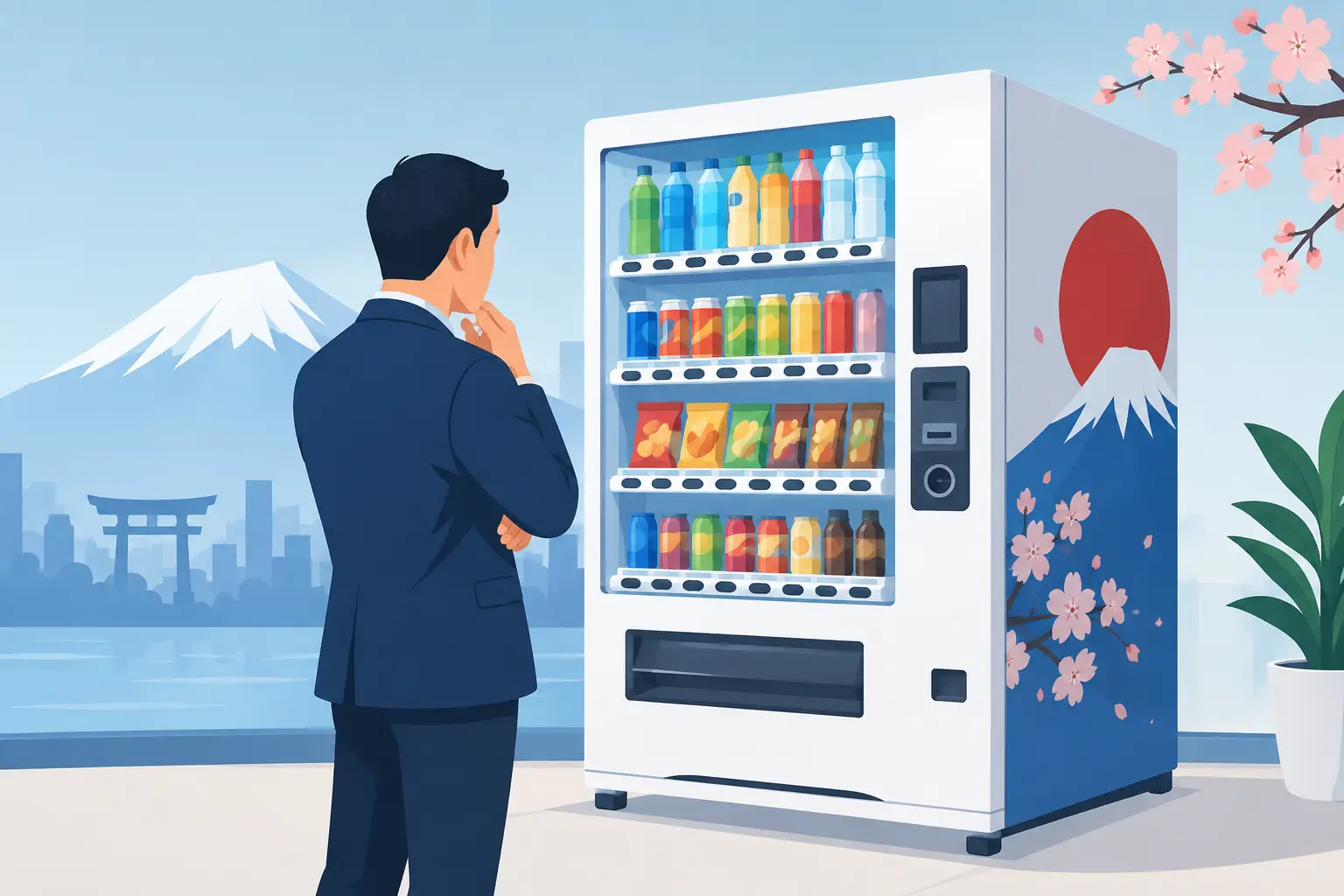
A low purchase price can make used Japanese vending machines for sale look like a fast path to a profitable route. Some are compact, visually distinctive, and built for high-volume beverage sales. But a machine that worked reliably in Tokyo is not automatically ready for an office, laundromat, apartment building, or retail location in the United States.
The opportunity is real when the equipment fits your location, product plan, and service capabilities. The risk comes from buying on appearance alone. Before you commit, confirm the machine can accept US power, support the payment methods your customers expect, maintain safe product temperatures, and be serviced without a long search for parts.
Start With the Location, Not the Machine
A vending machine earns money because it matches the traffic and buying habits of its placement. That matters even more with imported equipment, which may have a narrower use case than a conventional US snack, beverage, or combo machine.
A compact Japanese beverage machine may be a strong fit for a high-traffic waiting area, specialty retail store, auto shop, entertainment venue, or workplace with limited floor space. It can be less practical for a full-service route stop where customers expect cold drinks, snacks, card payments, and a broad product selection from one machine.
Think through what the location needs to sell. If bottled water, canned drinks, energy drinks, and specialty beverages will carry the account, a beverage-focused unit may make sense. If the location needs chips, candy, pastries, and drinks, a US-market snack-and-drink combo machine is often the simpler business choice.
Also measure the placement before you shop. Confirm doorways, elevator dimensions, hallways, machine depth, and the final vending area. Imported machines can have uncommon dimensions, delivery requirements, or door configurations that create an expensive surprise on installation day.
What Makes Japanese Machines Different
Japanese vending equipment is known for dense urban deployment, beverage variety, and compact footprints. Some machines offer product formats not commonly found in standard US routes, such as hot and cold canned drinks, specialty bottles, or highly specific merchandising layouts.
Those features can help a location stand out. They can also limit flexibility. A machine designed around Japanese can sizes, bottle shapes, or product columns may not handle the most common US beverage packages without adjustment. Ask for the exact product selection chart, column dimensions, and recommended package sizes instead of assuming standard 12-ounce cans and 20-ounce bottles will work.
The control system is another major difference. Labels, menus, diagnostic codes, and service manuals may be in Japanese. That is manageable for an experienced operator who has technical support and documentation, but it can slow down a first-time buyer who needs straightforward servicing.
Inspect Power, Payments, and Refrigeration First
The machine’s exterior condition matters, but the operating systems determine whether it can make money. A clean cabinet does not make up for an incompatible electrical setup or a payment system that cannot be used in the US.
Electrical compatibility
Many Japanese machines are designed for 100-volt power, while commercial locations in the US commonly provide 120-volt outlets. Do not plug an imported machine into a standard outlet unless a qualified technician has confirmed its power requirements and safe operating configuration.
Ask for the machine’s data plate information, including voltage, amperage, frequency, and plug type. Find out whether it requires a transformer, whether one is included, and whether the machine’s electrical components have been professionally converted. Electrical modifications should be handled by a qualified technician, not treated as a quick accessory purchase.
You should also check whether the equipment carries a recognized safety certification accepted by your property owner, insurer, or local code requirements. Requirements vary by city, location type, and building manager. A machine may operate technically while still creating an approval problem at the account.
Cashless payment compatibility
Cashless payment is no longer optional at many locations. Before buying, determine whether the machine has a standard MDB interface, a compatible controller, and space for a card reader, cellular antenna, and wiring. A card reader cannot simply be attached to every older machine.
Imported machines may use regional coin mechanisms, bill validators, or proprietary communication systems. Replacing those components can be possible, but the cost and labor may erase the savings from a low initial price. Request a clear answer on whether the machine currently accepts US coins and bills, can be upgraded for tap-to-pay and card payments, or should be operated as a cash-only specialty unit.
Refrigeration performance
For cold beverage equipment, ask for proof that the machine reaches and holds its intended temperature. A recent operating video is useful, but a service inspection is better. Listen for compressor noise, check for damaged door seals, inspect the condenser area, and ask whether the refrigeration system has been serviced.
If the machine dispenses food or perishable products, local health requirements may apply. Product safety, temperature monitoring, and cleaning access should be part of your purchasing decision from the beginning.
Price the Machine as a Complete Project
The listed price is only one part of your acquisition cost. With used Japanese vending machines for sale, total cost can include freight, loading or unloading equipment, transformer needs, cashless retrofits, replacement parts, electrical work, cosmetic repairs, and setup time.
A lower-cost machine can be a good asset if it is already compatible with your route and has a clear maintenance path. It becomes a poor value when every repair requires overseas sourcing or custom work. Downtime costs more than the repair invoice because a machine out of service is not generating sales and can damage your relationship with the location owner.
Compare the used import against a conventional used US machine and a newer card-reader-ready unit. The imported machine may win on appearance, compact size, or a unique beverage concept. A standard commercial machine may win on parts availability, familiar service procedures, payment upgrades, and easier resale. The right answer depends on your operating plan, not just the sticker price.
Questions to Ask Before You Buy
Get answers in writing before arranging shipping or pickup. A reliable seller should be able to provide specific details, not broad assurances that the machine is in good shape.
- What is the exact model number, manufacturing year, and current operating condition?
- What voltage, plug type, and electrical modifications are required for US operation?
- Does it accept US cash, and is the controller compatible with an MDB cashless payment retrofit?
- What products and package sizes fit each selection, and are product labels or manuals available in English?
- Has refrigeration been tested, and which parts have been repaired or replaced recently?
- Are common replacement parts available in the US, including motors, control boards, sensors, door seals, and refrigeration components?
Photos of the machine powered on, the data plate, internal components, coin area, and product delivery section can reveal much more than a front-facing listing image. If possible, arrange an inspection or have a local vending technician evaluate the equipment before finalizing the purchase.
Build a Service Plan Before Placement
A used machine does not need to be perfect to be profitable. It does need a realistic service plan. Keep basic wear items on hand, document the model and serial number, and identify who can handle electrical, refrigeration, and payment-system issues in your market.
For first-time operators, a familiar machine platform with available parts may be the smarter first purchase, even if it costs more upfront. For established operators, a Japanese specialty unit can be a useful addition when it supports a defined account or product concept that standard equipment cannot serve as well.
Buy the machine that gives your location a dependable way to sell, not simply the one with the most interesting design. When power, payments, products, and service all line up before delivery, a used unit can become a practical asset for starting a vending business or expanding your fleet.