Vending Machine Business: The Complete Guide to Starting & Growing in 2025
The vending machine business is one of the most accessible, scalable, and genuinely passive income streams available to entrepreneurs today. Whether you are a first-time business owner looking for a low-risk side hustle or a seasoned investor ready to build a full-time operation, vending machines offer a compelling combination of low overhead, flexible hours, and the potential for serious recurring revenue.
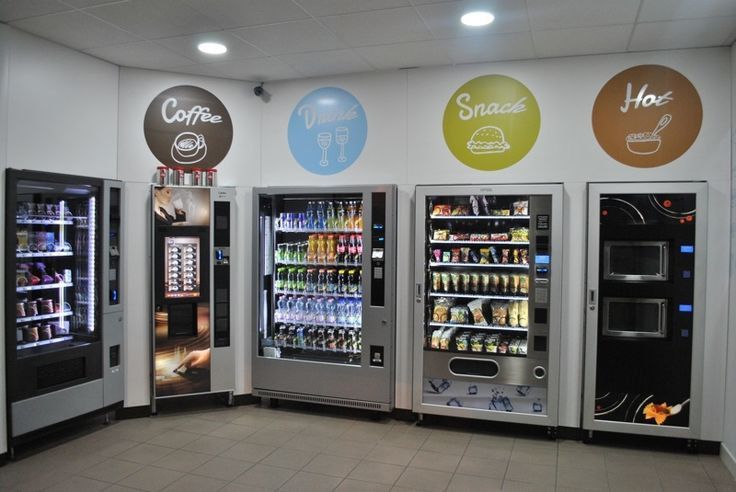
In this guide you will find everything you need to launch, operate, and scale a profitable vending machine business — from choosing the right machines and securing premium locations to managing inventory, understanding the numbers, and avoiding the mistakes that sink most beginners.
1. What Is a Vending Machine Business?
A vending machine business involves purchasing or leasing one or more automated retail machines, placing them in high-traffic locations, stocking them with products, and collecting the profits. The business model is straightforward: you invest in equipment, negotiate location agreements, replenish inventory on a schedule, and earn revenue every time a customer makes a purchase — 24 hours a day, seven days a week, without you needing to be present.
Unlike a traditional retail store, a vending operation has no storefront lease, no employees ringing up sales, and no set operating hours. That is precisely why it is often called a “set it and collect” business. Of course, real success requires active management — route optimization, product selection, machine maintenance, and location development — but the fundamental structure lends itself to genuine semi-passive income once the operation is up and running.
According to IBISWorld, the U.S. vending machine industry generates over $25 billion in annual revenue and has shown steady resilience even through economic downturns, thanks to the convenience-driven nature of vending purchases.
2. Types of Vending Machines
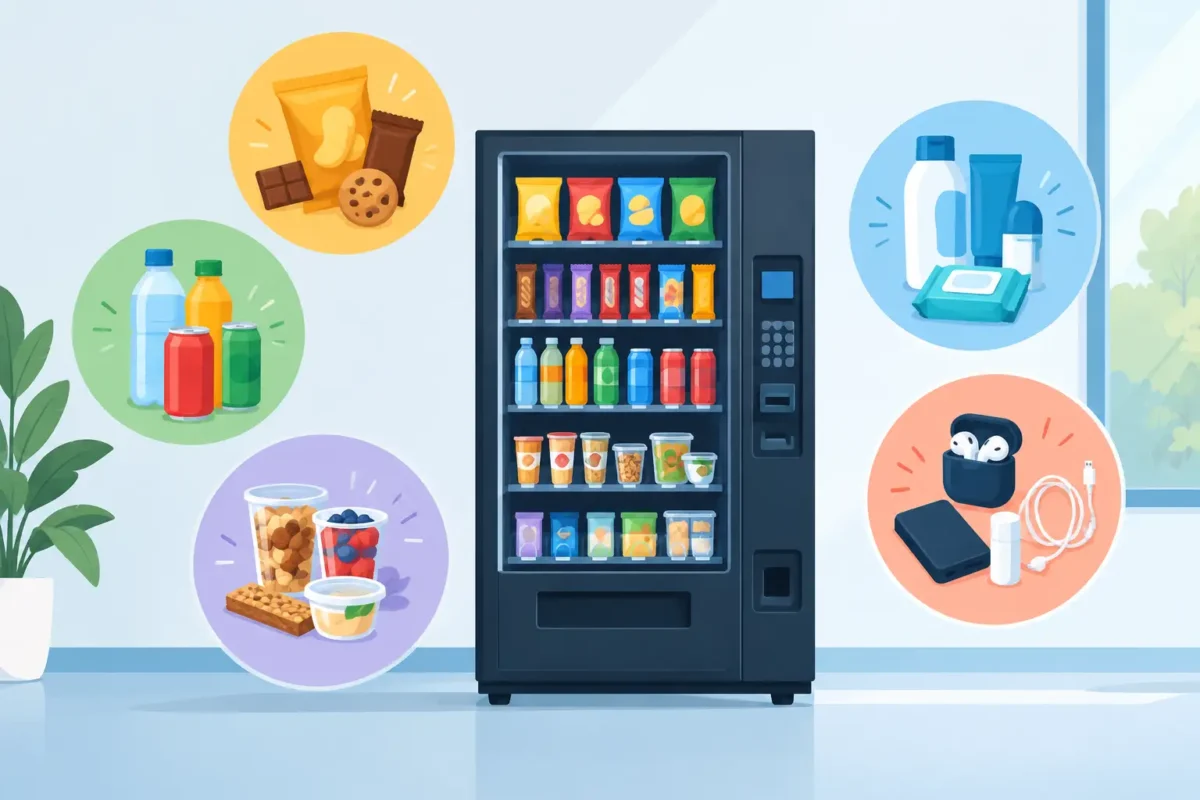
One of the first decisions you will make is what type of vending machine to operate. Each category has its own investment level, profit potential, maintenance demands, and ideal placement.
| Machine Type | Avg. Cost (New) | Best Locations | Margin Potential |
|---|---|---|---|
| Snack & Candy | $3,000 – $5,000 | Offices, schools, gyms | High (40–60%) |
| Beverage / Soda | $3,500 – $6,000 | Factories, lobbies, break rooms | Moderate (25–45%) |
| Combo (Snack + Drink) | $4,000 – $7,000 | Small offices, waiting rooms | High (35–55%) |
| Fresh Food / Healthy | $5,000 – $10,000 | Hospitals, colleges, gyms | Moderate (20–40%) |
| Coffee / Hot Beverage | $5,000 – $15,000 | Hotels, offices, transit hubs | Very High (60–75%) |
| Specialty / PPE / Electronics | $4,000 – $20,000 | Airports, hospitals, hotels | Very High (50–80%) |
Snack and Candy Machines
These are the most recognizable and beginner-friendly machines. Margins are excellent because chips, candy bars, and nuts have long shelf lives and low spoilage risk. They are ideal for offices, warehouses, and any location with a captive workforce that needs a quick energy boost.
Beverage and Soda Machines
Beverage machines move high volume in the right spot, but the machines themselves are heavier, require refrigeration, and carry marginally lower margins than dry snacks. Their best advantage is high purchase frequency — people drink multiple beverages per day.
Coffee Vending Machines
Bean-to-cup coffee machines offer extraordinary margins. A cup of coffee that costs you $0.20–$0.40 in beans and ingredients can sell for $1.50–$2.50, yielding a 75%+ gross margin. The trade-off is higher machine cost and more intensive maintenance (cleaning cycles, bean refills, descaling). These machines perform best in office lobbies, hotels, and transit areas where people seek a quick caffeine fix.
Browse the full selection of vending machines for sale to compare models, features, and pricing before making your first purchase. Buying the right machine for your target location is the single most important early decision.
3. Startup Costs & Initial Investment
One of the biggest advantages of the vending machine business is its relatively low barrier to entry. You do not need a physical storefront, a large team, or a complex supply chain. Here is a realistic breakdown of what to budget:
| Expense | Low End | High End | Notes |
|---|---|---|---|
| Machine purchase (x1) | $1,500 (used) | $8,000 (new) | New machines come with warranties |
| Initial inventory | $150 | $600 | Aim for 2–3 full restocks up front |
| Business license & permits | $50 | $500 | Varies by state and city |
| Liability insurance | $300/yr | $800/yr | Essential for location agreements |
| LLC formation | $50 | $500 | Protects personal assets |
| Transportation (vehicle) | $0 (existing) | $500/mo lease | Pickup truck or cargo van ideal |
| Credit card reader (per machine) | $0 (included) | $300 | Cashless machines earn 20–30% more |
| Total (single machine) | ~$2,000 | ~$10,500 | Most operators start with 3–5 machines |
Many experienced operators recommend starting with at least three machines. With a single machine, one underperforming location can make or break your cash flow. With three or more, you can test different spots, learn which products sell, and build enough revenue to reinvest quickly.
Avoid buying cheap, unbranded machines from unknown sellers. Poor build quality leads to constant jams, payment failures, and customer complaints — all of which damage your location relationships. Stick to trusted brands like Crane, AMS, Seaga, or Wittern when shopping for new or used vending machines.
4. How to Start a Vending Machine Business (Step-by-Step)
Research Your Market & Choose a Niche
Before spending a dollar, study the local market. Drive around and note high-traffic buildings, industrial parks, gyms, schools, and hospitals. Talk to building managers and ask what vending services — if any — are already in place. Identify gaps: a factory break room with only a soda machine is a perfect candidate for a snack combo unit.
Register Your Business & Get an EIN
Form an LLC or sole proprietorship through your state’s secretary of state office. Then apply for a free Employer Identification Number (EIN) through the IRS website. An EIN allows you to open a business bank account and properly track income and expenses for tax purposes — a habit that will save you thousands at tax time.
Open a Dedicated Business Bank Account
Keep business finances completely separate from personal funds. This simplifies accounting, helps you understand true profitability per machine, and is essential if you ever seek a business loan to expand. Most major banks and credit unions offer free or low-fee business checking accounts.
Purchase Your First Machines
Match the machine type to your target location. A new combo snack/drink machine is the most versatile starting choice — it handles both product categories and takes up only one spot. For the best selection of quality machines at competitive prices, visit the Vending Machines For Sale shop and compare specifications carefully.
Secure Your Locations
Approach location managers with a professional pitch: explain that you will provide a free service (vending) that benefits their employees or customers, maintain the machine, and share a percentage of revenue if required. Get every placement agreement in writing, including notice periods and exclusivity clauses.
Stock, Install, and Launch
Deliver and install your machine with the help of a hand truck and a second person. Stock with a diverse product mix, set competitive prices, and test every button and payment method before leaving. Leave your contact information prominently displayed on the machine so location staff can reach you if there’s an issue.
Maintain, Track, and Scale
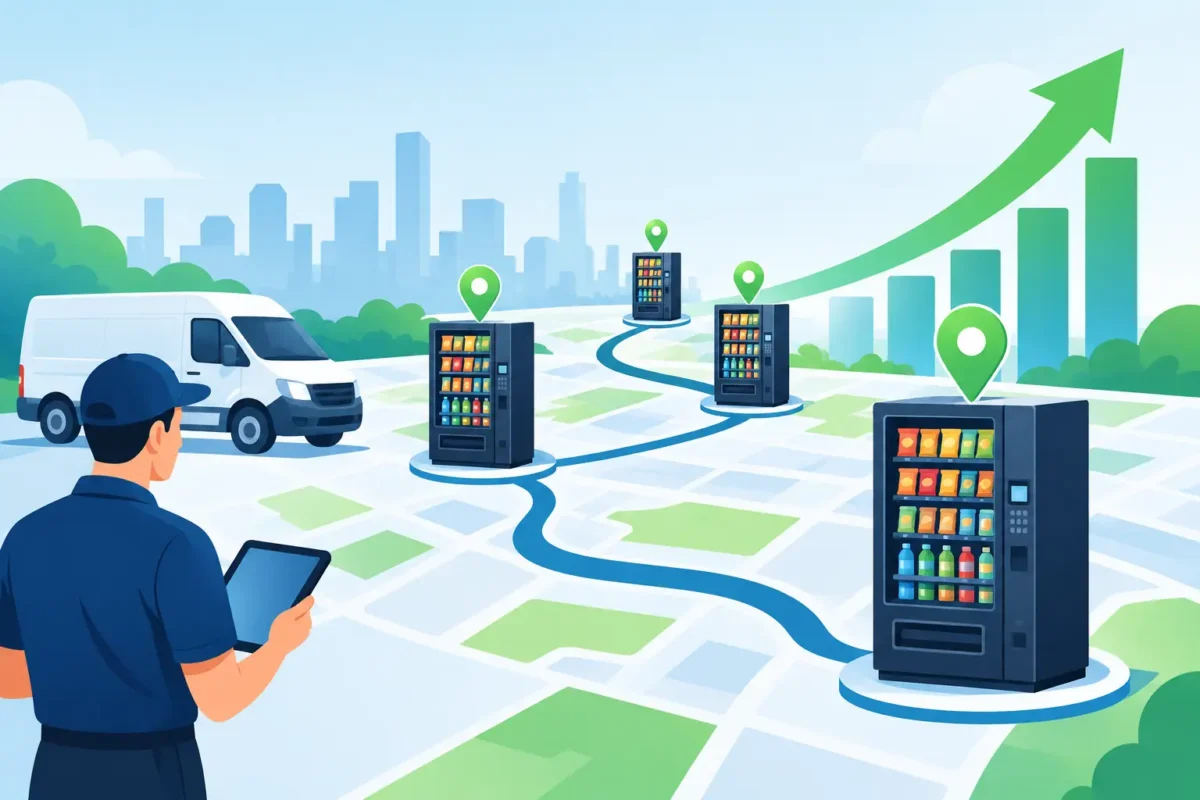
Visit each machine on a regular schedule — typically weekly to bi-weekly — to restock, collect cash, and inspect for maintenance issues. Use telemetry software or a simple spreadsheet to track which products sell best at each location. Reinvest profits into additional machines as soon as cash flow allows.
5. Finding & Securing the Best Locations
Location is the single biggest variable in vending machine profitability. Two identical machines stocked with identical products can produce vastly different results depending purely on foot traffic and audience. Here are the top location categories ranked by average performance:
Tier 1: Highest Revenue Potential
Factories and warehouses are arguably the best locations for vending machines. Workers are on-site for long shifts, often without easy access to food courts or convenience stores, and they buy frequently. A facility with 200+ employees on multiple shifts can sustain two or three machines easily. Hospitals and medical centers are similarly lucrative — staff work 24-hour shifts and patient visitors need round-the-clock access to food and beverages.
Tier 2: Excellent Consistent Performers
Office buildings with 50 or more employees per floor, apartment complexes with on-site laundry rooms, gyms and fitness centers, and universities and community colleges all generate reliable, recurring vending revenue. Schools in particular are strong performers for healthy snack machines, especially given rising institutional demand for better nutrition options.
Tier 3: Situational Wins
Hotels are excellent for specialty vending (toiletries, snacks, electronics chargers) positioned in hallways near elevators. Car dealerships and auto repair shops have customers waiting for 1–3 hours with little else to do — a perfectly captive audience. Laundromats are similarly strong because customers are on-site for 45–90 minutes per visit.
The Entrepreneur.com guide to vending machine businesses suggests that operators should aim for locations with at least 50–100 people present daily before considering a placement viable for a full-size machine.
Negotiating Location Agreements
Most small locations (offices, gyms, small factories) will host your machine for free in exchange for the service itself. Larger or more desirable locations — airports, hospitals, universities — will typically require a commission, usually 10–25% of gross revenue. Always negotiate commission rates before you place the machine, not after. A location paying 25% commission can still be your most profitable spot if foot traffic is high enough.
Browse our curated inventory of snack, beverage, combo, coffee, and specialty vending machines — all vetted for quality and reliability.
Shop Vending Machines Now →6. How Much Money Can You Make?
This is the question every aspiring vending operator asks first, and the honest answer is: it depends entirely on location quality, machine type, product mix, and how well you manage your route. That said, here are realistic benchmarks based on industry data:
| Scenario | Machines | Monthly Revenue | Monthly Profit* |
|---|---|---|---|
| Side hustle (part-time) | 3–5 | $1,500 – $3,500 | $600 – $1,500 |
| Growing operation | 10–20 | $6,000 – $15,000 | $2,500 – $6,000 |
| Full-time business | 30–50 | $20,000 – $45,000 | $8,000 – $18,000 |
| Established route business | 50–100+ | $50,000+ | $20,000+ |
*After COGS, location commissions, fuel, maintenance, and insurance. Numbers are estimates and vary significantly by market.
The payback period on a new machine typically ranges from 12 to 24 months for a well-placed unit. A used machine in a strong location can pay for itself in as little as 6 months. According to Forbes Advisor’s vending machine business guide, top operators report annual revenues of $75,000 or more per route once they have built 30+ machines across premium locations.
The Power of Cashless Payments
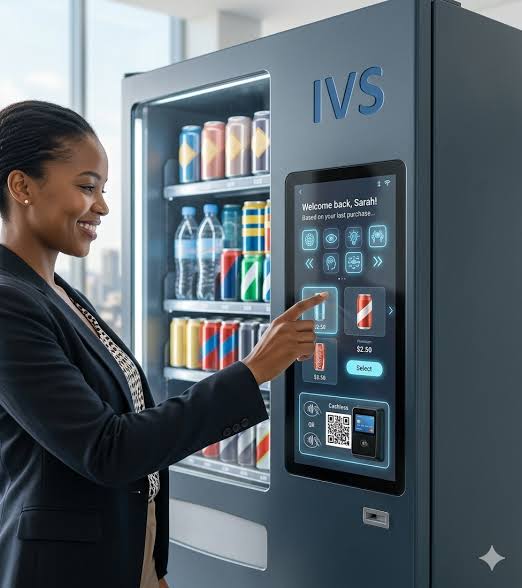
Upgrading machines to accept credit cards, debit cards, and mobile payments (Apple Pay, Google Pay) consistently increases revenue by 20–35%. Customers who carry little cash will simply skip your machine — or worse, build a habit of going elsewhere. Modern card readers from companies like Visa’s small business vending solutions have dropped in cost dramatically and are now standard on all new machines.
7. Pros & Cons of the Vending Machine Business
- Low startup cost vs. traditional retail
- Passive income potential once established
- Scalable — add machines as revenue grows
- No employees needed at point of sale
- Operates 24/7 without your presence
- Multiple machine types & niches available
- Simple cash flow and accounting
- Strong demand even during downturns
- Location securing can be competitive
- Machines require regular maintenance
- Vandalism and theft are real risks
- Fresh food machines have spoilage risk
- Route driving takes consistent time
- Slow initial ROI with few machines
- Commission pressure at premium sites
- Market saturation in some metro areas
8. Expert Tips to Maximize Profitability
Optimize Your Product Mix Constantly
The products that sell best in a factory break room are very different from those that move in a yoga studio. Use the sales data from your machines (most modern machines track this digitally) to identify your top 10 sellers and your bottom 10. Replace the slow movers every 4–6 weeks. According to data published by the National Automatic Merchandising Association (NAMA), operators who actively manage their product mix earn up to 40% more per machine than those who restock the same items on autopilot.
Price Strategically, Not Cheaply
Many beginners underprice to win business. This is a mistake. Vending machine customers are paying primarily for convenience — they are not comparison shopping. Research what competing machines in the area charge and price at or slightly above that level. A 10-cent price increase on a candy bar that sells 200 times a month adds $20 in pure profit per machine, per month.
Use Telemetry and Remote Monitoring
Modern vending telemetry systems (such as those offered by Parlevel, Nayax, or Cantaloupe) provide real-time sales data, low-stock alerts, and cashless payment processing via a single connected device. The data enables smarter restocking schedules — you visit machines when they actually need attention, not on a fixed calendar that wastes fuel and time.
Build Relationships with Location Managers
Your location contact is your most important business asset. Send a thank-you note when you place a machine. Respond to complaints within hours, not days. Offer to add a new product if employees request it. Operators who treat location managers as partners — not just gatekeepers — retain locations far longer and get first-call opportunities when prime spots open up nearby.
Diversify Your Machine Portfolio
Do not put all your machines in the same industry or building type. If a large factory closes or a school consolidates, a diversified portfolio protects your income. Spread machines across offices, healthcare, education, and fitness locations to smooth out sector-specific disruptions.
Reinvest 100% of your first-year net profits into additional machines. The compounding effect of a growing route is dramatic: 3 machines become 6, then 12, then 25 — each new machine added with lower relative effort because your route infrastructure (vehicle, supplier relationships, tools) is already in place. Find your next machines at the Vending Machines For Sale shop.
9. Licenses, Permits & Legal Requirements
Legal requirements for vending machine businesses vary by state and municipality, but the core requirements are consistent across most U.S. jurisdictions:
Business License
Virtually every city and county requires a general business license for operating a commercial enterprise. These typically cost $50–$200 per year and are renewed annually. Apply through your city or county clerk’s office.
Sales Tax Permit
In most states, vending machine sales are subject to sales tax. You will need to register with your state’s department of revenue, collect applicable tax on vending sales, and file periodic returns. Check your specific state’s rules through your Small Business Administration (SBA) licensing guide.
Health Department Permit
If you sell food or beverages — which most vending operators do — many states and counties require a health department permit or food handler’s license. Fresh food machines almost universally require this. Check with your local health department before placing your first food or beverage machine.
LLC Formation and Liability Insurance
Forming an LLC shields your personal assets if a customer claims injury from a product purchased in your machine. Liability insurance (typically $300–$800/year for a small vending operation) is also required by most commercial location agreements. Do not skip either of these — they are essential business infrastructure, not optional extras.
10. Frequently Asked Questions
A realistic single-machine startup costs between $2,000 (used machine, low-traffic location) and $10,500 (new machine, premium location with setup costs). Most operators recommend starting with 3–5 machines to generate meaningful income and absorb the risk of one underperforming location.
A well-placed machine in a high-traffic location typically generates $300–$1,000 in monthly revenue. After product costs (COGS), location commissions, and operating expenses, net profit margins range from 20–50%, translating to roughly $100–$500 in take-home profit per machine per month.
Yes. At minimum you need a general business license. Most states also require a sales tax permit for vending operations. If you sell food or beverages, a health department permit is typically required. Requirements vary by state, county, and city — consult your local government offices before launching.
Yes. The industry continues to grow, driven by cashless payment adoption, healthy snack trends, and the expansion of specialty vending into categories like electronics, beauty products, and PPE. Operators who actively manage their routes and stay current with consumer preferences continue to report strong returns.
A combination snack and beverage machine is ideal for beginners. It covers two product categories with one machine, making it easier to secure locations (you are offering more value in one footprint) and simpler to manage inventory. Browse combo machines and more at the Vending Machines For Sale shop.
Both can be profitable. New machines come with warranties, modern payment systems, and better reliability — reducing maintenance headaches as you are learning the business. Used machines offer lower upfront cost, which is valuable when testing a new location. If buying used, inspect the payment mechanism, motor, and coils carefully and verify the machine accepts card payments or can be upgraded to do so.
Start with businesses you already have a connection to — your employer, your gym, your doctor’s office. Then systematically canvass industrial parks, office complexes, and healthcare facilities. In person, professional cold outreach consistently outperforms email or phone calls. Bring a one-page flyer explaining your service, pricing structure, and contact information.
Conclusion
The vending machine business remains one of the most accessible paths to building a genuine semi-passive income stream in 2025. With startup costs that can be as low as $2,000 for a first machine, no need for employees at the point of sale, and the ability to operate around the clock without your physical presence, vending offers a business model that scales gracefully from a weekend side hustle to a full-time enterprise generating six-figure annual revenue.
Success in this industry comes down to three fundamentals: choosing the right machines for your target locations, securing high-traffic placements and maintaining those relationships, and actively managing your product mix and pricing based on real sales data. Get these three things right, and the compounding effect of a growing vending route can deliver remarkable financial results over time.
The best time to start is now — before your ideal locations are claimed by a competitor. Begin by exploring your machine options, understanding your local market, and making your first placement as quickly as possible. Every week you wait is a week of potential revenue left on the table.
Find the perfect machine for your first location — snack, beverage, combo, coffee, and specialty machines available at competitive prices with fast shipping.
Browse All Vending Machines →