

Snack and Drink Vending Machine With Card Reader

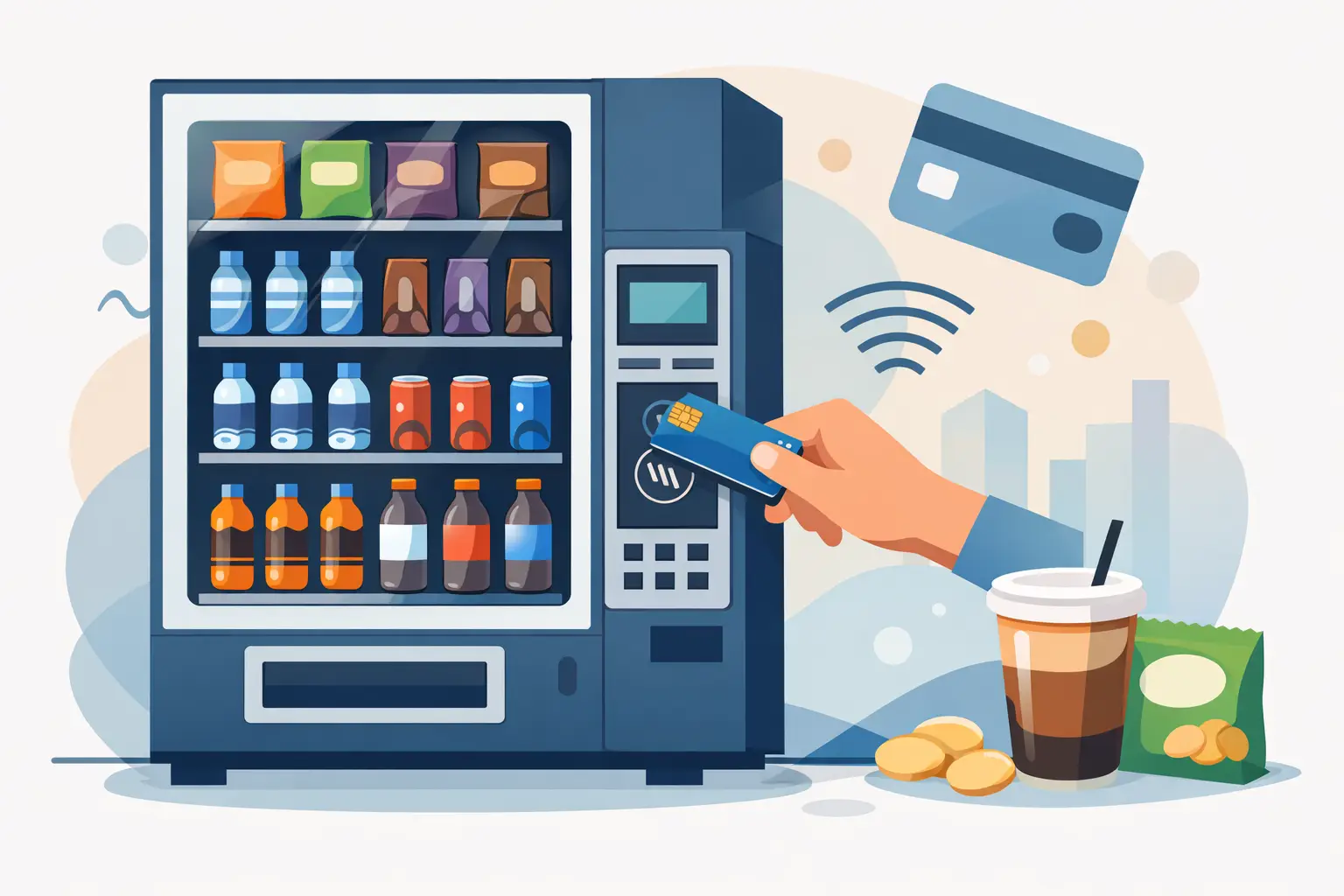
A snack and drink vending machine with card reader capability can turn an ordinary placement into a stronger, more dependable revenue location. At an office, apartment building, laundromat, bowling center, or warehouse, many customers arrive without cash but still expect a quick cold drink or snack. If they cannot pay the way they prefer, the sale is gone.
For operators, cashless payment is not just a convenience feature. It is a practical way to reduce missed sales, track transactions, and build a vending route that fits how customers buy today. The right machine still depends on the location, product mix, budget, and expected traffic. A card reader will not fix a weak placement, but it can help a well-matched machine earn more from a good one.
Why Card Readers Matter in Vending
Cash still has a place in vending, especially in schools, laundromats, and older-established routes. But card, mobile wallet, and contactless payments are now expected in many commercial settings. Employees grabbing an afternoon drink, residents returning home, and customers waiting for laundry often want to tap a card or phone and move on.
A card reader gives them that option. Depending on the payment system selected, customers may pay with credit cards, debit cards, tap-to-pay wallets, and other contactless methods. This flexibility is especially valuable where average product prices are higher. A $2.50 energy drink, premium snack, or bottled coffee is easier to purchase when the customer does not need exact cash.
Cashless reporting also helps the operator see what is happening at each location. Instead of relying only on cash collection totals, transaction data can show sales by day, time, and product category. That information supports smarter service schedules and better product selection. If sparkling water sells at one office but sports drinks move faster at a gym, the machine can be stocked accordingly.
There is a trade-off. Card readers require connectivity, payment processing setup, and transaction fees. These costs should be treated as part of the operating model, not as an afterthought. In a low-traffic location, the added expense may take longer to justify. In a busy location where customers rarely carry cash, the increase in completed purchases can make the decision much easier.
Choosing a Snack and Drink Vending Machine With Card Reader
Start with the location rather than the machine. The best equipment is the unit that fits the placement, the customer base, and the products likely to sell. A large machine with high capacity can be a strong asset in a warehouse break room or busy apartment complex, but it may be unnecessary for a small waiting area with limited traffic.
Combo Machines for Flexible Placements
Snack-and-drink combo machines offer two product categories in one footprint. They are a common choice for first-time vending business owners because they allow a location to carry chips, candy, pastries, bottled drinks, cans, water, and energy drinks without purchasing separate machines.
A combo unit often works well in smaller offices, salons, laundromats, auto shops, and residential common areas. It gives customers more choices while keeping the initial equipment purchase and floor-space requirement manageable. The main limitation is capacity. A high-traffic location may need more drink storage or more snack selections than a combo machine can provide.
For larger accounts, separate snack and beverage machines may be the better long-term fit. A dedicated drink machine can hold more bottles and cans, while a full-size snack machine provides a wider selection of packaged food. Both can be equipped with compatible card-reader payment systems, giving customers a cashless option across the location.
Capacity Should Match Service Frequency
Capacity affects more than how much product the machine holds. It affects how often you need to service the location, how often popular selections go out of stock, and how much cash is tied up in inventory.
A route operator servicing a location once each week needs enough capacity to avoid empty columns between visits. A small machine can create unnecessary trips if it sells out quickly. On the other hand, overbuying capacity for a slow location can tie up capital that could be used on another placement.
Before purchasing, estimate the number of people on-site, hours of access, competing food options, and likely repeat usage. A 24-hour industrial facility generally requires more capacity than a small professional office open Monday through Friday. Locations with few nearby stores can also produce higher vending demand than those surrounded by restaurants and convenience shops.
Make Sure the Payment System Fits the Machine
Not every card reader installs the same way on every machine. When evaluating equipment, confirm that the machine is card-reader-ready or that the reader and required harness are compatible with its control board. Compatibility matters most when buying used equipment or upgrading an older machine.
You should also consider the connectivity available at the placement. Most payment systems use cellular service, though Wi-Fi options may be available in certain environments. A reader cannot process transactions reliably if the machine is placed in an area with weak signal coverage. Test the location or ask about connectivity requirements before installation.
A payment reader should be positioned and configured for easy customer use. Clear pricing, working selection buttons, dependable refrigeration, and a visible contactless payment prompt all matter. Customers will not return to a machine that appears confusing or declines a payment repeatedly.
Product Mix Drives More Sales Than Extra Selections
A machine with dozens of choices is not automatically more profitable. The goal is to stock products that fit the people using the machine. In an office, bottled water, sparkling water, chips, protein snacks, trail mix, and coffee beverages may perform well. In a bowling center, candy, salty snacks, soda, energy drinks, and sports drinks may move faster.
Start with recognizable, dependable sellers. Then use cashless sales reporting to test a smaller number of location-specific products. Healthy options can be a good addition in workplaces and fitness settings, but they should earn their shelf space. Expensive products that expire before selling create waste and reduce margins.
Price products with your full cost in mind. Include product cost, delivery or restocking expense, card processing fees, machine financing or acquisition cost, location commission if applicable, and expected spoilage. Competitive prices matter, but underpricing can make a busy machine less profitable than it appears.
New, Used, and Smart Equipment Options
New vending machines offer current components, clean presentation, and a straightforward path to adding modern payment technology. For operators building a route around larger accounts or premium locations, new equipment can provide confidence and a longer useful service life. It also gives a business a more polished look when approaching property managers and commercial clients.
Used machines can be a practical entry point when startup capital is limited. A well-maintained used snack or beverage machine may allow a first-time operator to get placed sooner at a lower acquisition cost. The key is to evaluate condition carefully. Check refrigeration performance, bill acceptor and coin mechanism condition, door seals, selection motors, cabinet condition, and card-reader compatibility.
Smart coolers and AI-powered unattended retail systems are another option for locations that want an open-door shopping experience. These systems can support a broader product mix and may suit offices, hospitals, campuses, and upscale residential spaces. They typically require a higher investment and a placement with sufficient traffic to support that cost.
VendingMachinesForSale.net offers equipment across these categories, helping operators compare standard vending machines, cashless-ready options, used inventory, and technology-forward retail formats based on their budget and placement plan.
Plan for Operating Costs Before You Buy
The purchase price is only the first part of the investment. A profitable vending operation depends on keeping the machine stocked, working, connected, and appropriately priced. Build a basic operating estimate before committing to equipment.
Account for inventory purchases, payment processing fees, reader service fees, fuel or delivery time, repairs, insurance, commissions, and taxes. Refrigerated drink machines also use electricity, so some locations may ask how power costs will be handled. Clarify those details with the location owner before delivery.
Service access deserves attention as well. Measure doorways, hallways, elevators, and the final installation area. Confirm that the location has the correct electrical outlet and enough clearance for machine doors to open. A machine that fits the sales opportunity but cannot be delivered into the building is an expensive problem.
Use Cashless Data to Improve the Route
Once the machine is operating, transaction data should guide your next decisions. Watch daily sales, best-selling selections, stockouts, refund patterns, and periods of peak demand. A machine that sells heavily from 2 p.m. to 5 p.m. may benefit from more drinks and grab-and-go snacks. A location with steady early-morning purchases may support coffee beverages or breakfast items.
Do not make major changes based on one week of sales. Look for patterns over several service cycles, especially after a new machine is introduced. Seasonality, shift changes, weather, and staffing levels can all affect demand.
The strongest vending placements are built through regular adjustment. Choose a machine that matches the location, add payment options customers will actually use, and keep the product mix focused on proven demand. When the equipment, payment method, and placement work together, each refill becomes a more predictable step toward expanding your fleet.