

Combo Vending Machines for Flexible Routes

A busy office break room may have space for one machine, not two. That is where combo vending earns its place: it gives customers cold drinks, snacks, candy, and other grab-and-go products from a single commercial unit. For a first location or a route expansion with limited floor space, a combo machine can be a practical way to serve more demand without doubling the equipment cost, power needs, or service stops.
The right machine is not automatically the biggest one or the lowest-priced one. A profitable placement depends on the location’s traffic, the products people actually buy, payment expectations, and how often you can restock. Understanding those factors before you purchase helps turn a vending machine into a dependable business asset rather than an underused piece of equipment.
What Is a Combo Vending Machine?
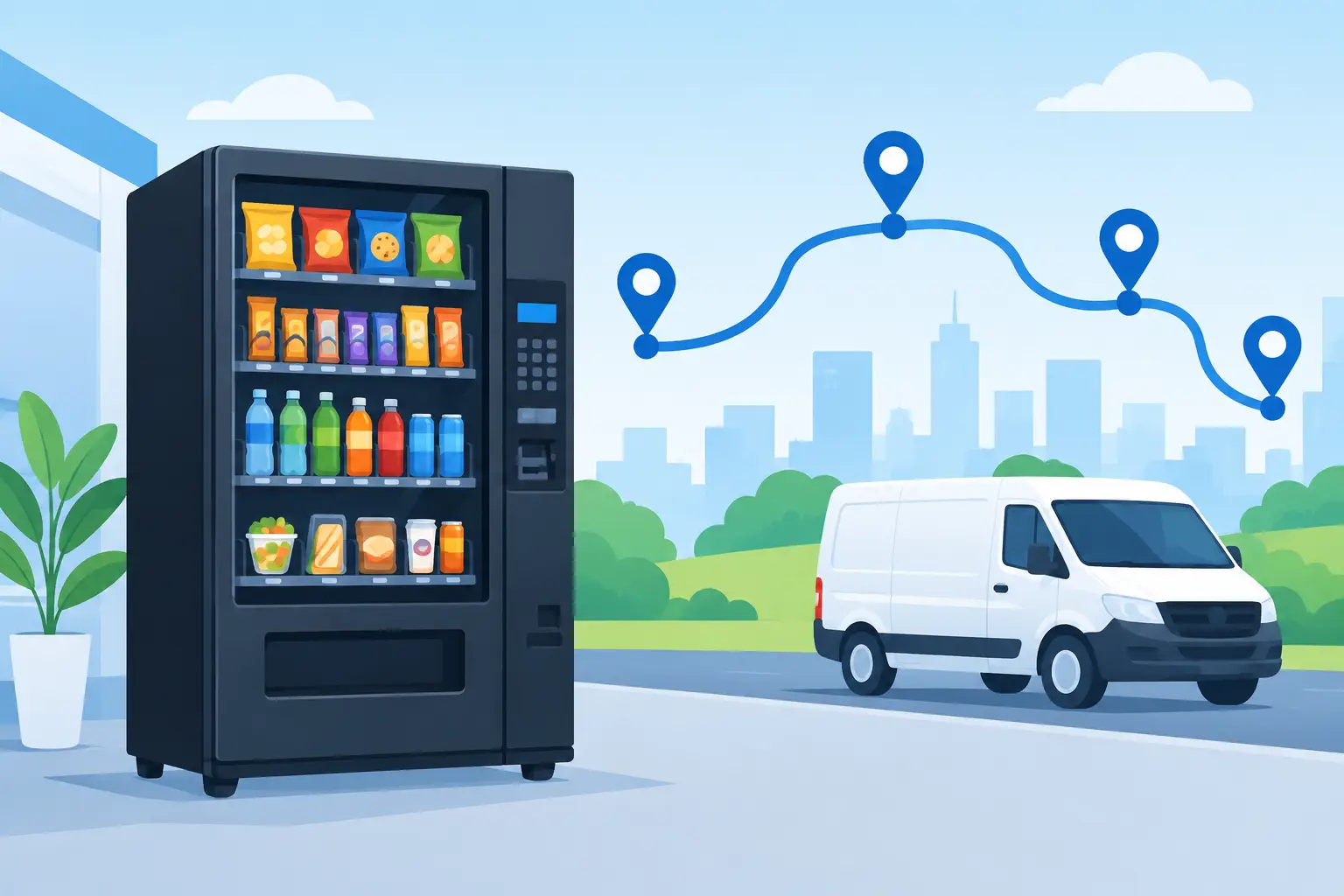
A combo vending machine combines snack and beverage vending sections in one cabinet. Most models use separate product areas and dispensing systems: spirals for chips, candy, pastries, and packaged foods, plus refrigerated columns or shelves for bottled water, soda, energy drinks, juice, and other cold beverages.
This format solves a straightforward problem. A location that needs both snacks and drinks may not generate enough sales to justify a dedicated snack machine and a dedicated beverage machine. With a combo unit, customers still have choices, while the operator manages one machine, one payment system, one power connection, and one footprint.
Combo machines work especially well in smaller offices, apartment common areas, laundromats, automotive waiting rooms, bowling centers, gyms, and break rooms with modest but consistent traffic. They can also be useful as a trial machine when you are building a new route and want real sales data before investing in multiple units.
Why Combo Vending Works for New Operators
For someone starting a vending business, controlling upfront costs matters. Buying one combo unit can be more attainable than buying separate equipment for snacks and beverages. It also simplifies early route management. You have fewer machines to learn, fewer locations to visit, and less time spent coordinating repairs or payment hardware across a fleet.
A combo machine can also make your pitch to location owners easier. Many businesses want an employee amenity but do not want a vending area to take over their break room. A single, clean, cashless-ready unit is easier to approve than two large machines.
There is a product advantage as well. People do not buy snacks and drinks on the same schedule. A customer might want a bottled water after a workout, an energy drink during a night shift, or chips and a soda during an afternoon break. Offering both categories gives the machine more chances to make a sale throughout the day.
That said, combo vending is not the best answer for every account. A large manufacturing facility, hospital, college residence hall, or high-volume warehouse may outgrow a combo unit quickly. When drink sales are heavy, a dedicated beverage machine often provides more capacity, faster restocking, and a better selection. The same is true for locations where snack sales are strong enough to support a full-size snack machine. Match the equipment to proven or expected demand.
Capacity Matters More Than a Long Product List
When comparing combo vending machines, start with capacity. Product selection looks good on a specification sheet, but the real question is how many items the machine holds and how often those items will need replenishing.
A compact combo model can fit well in a small office or waiting area, but it may require frequent service if the location has more traffic than expected. A larger machine with more selections and greater bottle capacity may cost more upfront, yet it can reduce the number of restocking trips. For route operators, fewer unnecessary trips can make a meaningful difference in labor, fuel, and profitability.
Think about product dimensions, not just total slots. Bottled beverages take up more room than cans. Larger energy drinks, protein shakes, sparkling water, and specialty beverages may require adjustable shelves or compatible product columns. On the snack side, bulky items such as pastries, trail mix, protein bars, and healthier snack bags can affect how many products fit in each row.
Before choosing a machine, build a simple initial product plan. Include core sellers such as water, soda, chips, candy, and cookies, then reserve space for products that fit the location. A gym may need protein drinks and bars. A laundromat may sell detergent packs, dryer sheets, bottled drinks, and family-friendly snacks. A late-night workplace may perform better with energy drinks, meal bars, and filling snack options.
Refrigeration and food choices
Most combo machines are designed for packaged snacks and cold drinks, not fresh food service. If your location requires sandwiches, salads, dairy items, or prepared meals, check the machine’s temperature capabilities and food safety requirements before you stock it. The right equipment for shelf-stable snacks is not always the right equipment for perishable products.
For standard routes, a mix of refrigerated beverages and packaged snacks is usually the simplest place to start. It reduces spoilage risk, makes inventory easier to manage, and lets you learn local buying habits with lower product loss.
Cashless Payments Are a Sales Decision
Cash is still used in some locations, but card and mobile payments are no longer optional for many customers. A combo vending machine that accepts credit cards, debit cards, and contactless wallet payments can serve buyers who do not carry bills or coins. In offices, apartments, gyms, and younger customer demographics, cashless access may have a direct effect on sales.
When evaluating payment functionality, confirm whether the machine is card-reader-ready, includes payment hardware, or needs an upgrade. Also consider telemetry. Remote monitoring can help operators track sales, receive inventory alerts, review machine status, and plan service visits with better information.
Cashless systems come with processing fees and connectivity considerations, so they are not free revenue. But the trade-off is often worthwhile when it prevents missed sales and gives you clearer reporting. For a new operator, sales data can be as valuable as the payment convenience itself. It shows what sells, what sits too long, and when a location is ready for a larger machine.
New vs. Used Combo Vending Equipment
New and used machines can both make sense. The right choice depends on your capital, placement opportunity, and willingness to handle maintenance.
A new combo vending machine generally gives you current features, clean presentation, modern payment compatibility, and manufacturer-backed equipment condition. It can be the better choice for a premium office, a customer-facing retail environment, or an operator who wants to standardize equipment while expanding a fleet.
Used equipment can lower the cost of entering the business. For an entrepreneur testing a first location, an affordable used machine may allow more room in the budget for inventory, card reader installation, transportation, and location acquisition. The key is to understand its condition. Ask about refrigeration performance, bill validator and coin mechanism operation, keypad function, door seals, cosmetic condition, and whether replacement parts remain available.
Do not judge a used machine only by purchase price. A low-cost unit that needs frequent repairs or cannot support the payment system your location expects may become more expensive than a better-equipped option. Reliable machines usually produce a better operator experience and a better customer experience.
Choosing the Right Location for Combo Vending
The strongest combo placements have recurring traffic, limited nearby food and beverage options, and customers who spend enough time on site to make impulse purchases. Employee break rooms are common because workers return day after day. Apartment buildings can perform well when residents do not have immediate access to convenience retail. Laundromats and bowling centers can also be productive because customers often wait on site.
Traffic alone is not enough. A lobby with hundreds of people passing through may not convert if a coffee shop or convenience store is steps away. A smaller workplace with 40 employees can outperform a larger location if workers have limited break options and regularly stay on site for full shifts.
Ask location owners about headcount, operating hours, shift schedules, existing food options, and whether the machine will be visible and accessible. A machine hidden down a hallway will not perform like one placed near a break area, entrance, waiting zone, or shared lounge. Make sure the site also has a suitable power outlet, clearance for delivery, and enough room for door access and service.
Set Up the Machine for Repeat Sales
Your first product mix is an educated starting point, not a permanent plan. Stock recognizable brands and practical price points, then use sales history to refine the selection. Keep popular products available, remove consistent slow sellers, and test new items one or two slots at a time.
Merchandising matters. Put visible, familiar items where customers can easily see them. Keep beverage columns organized by category or flavor. Avoid filling every snack row with similar products just because they are easy to buy in bulk. Variety encourages repeat use, but too much variety can create dead inventory.
Service quality also protects revenue. Clean the glass, remove expired items, keep prices readable, and respond quickly when a payment issue or vend problem occurs. Customers are more likely to return when the machine looks maintained and works the first time.
Build the Route Around the Opportunity
A combo vending machine is a strong starting point for locations that need convenience without the footprint of separate snack and drink equipment. It gives new operators a manageable entry point and gives established operators a flexible format for smaller accounts, replacement needs, and route diversification.
VendingMachinesForSale.net offers commercial vending options across new, used, cashless-ready, and technology-forward formats, making it easier to compare a machine against the needs of the location rather than buying based on price alone. Choose capacity, payment functionality, and condition with your service plan in mind, then let actual sales guide the next machine you add.